William Shatner's All-Star Metal Album Takes on Black Sabbath and Judas Priest and Now he Wants to Bring it to the Stage
William Shatner's All-Star Metal Album Takes on Black Sabbath and Judas Priest and Now he Wants to Bring it to the Stage
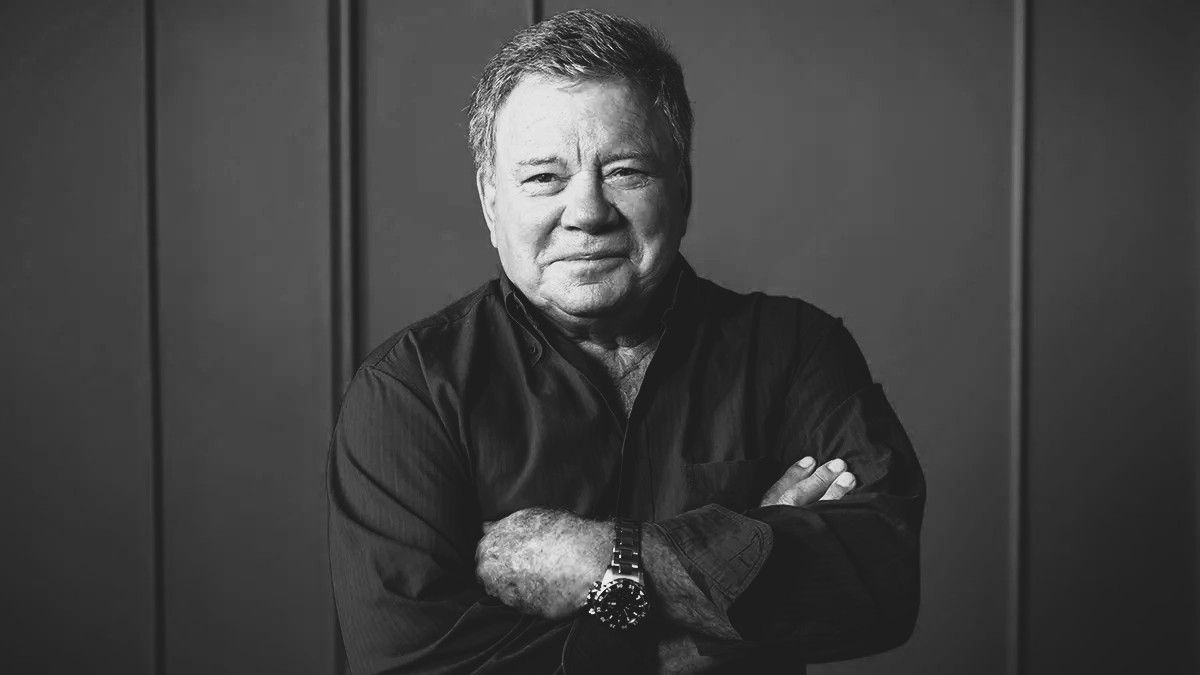
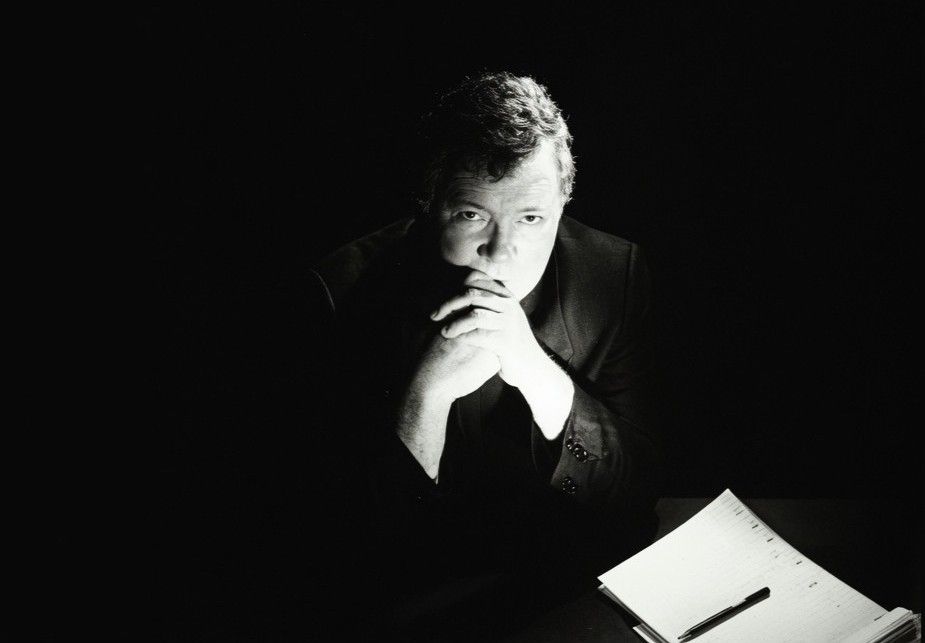
When William Shatner took to Instagram with a black-and-white portrait and a simple question: "Now... should I or shouldn't I?", it wasn't teasing another memoir, another documentary or another up-coming convention appearance. This time it was something stranger, and arguably far more intriguing.
The 95-year-old actor is now openly exploring the possibility of taking his forthcoming all-star heavy metal project out of the studio and onto the stage, not as a conventional concert, but as what has been described as a multimedia theatrical spectacle combining live music, cinematic visuals and storytelling.
For most people, it sounds completely absurd. But for William Shatner, it feels oddly inevitable.
Reinvention Has Always Been the Point
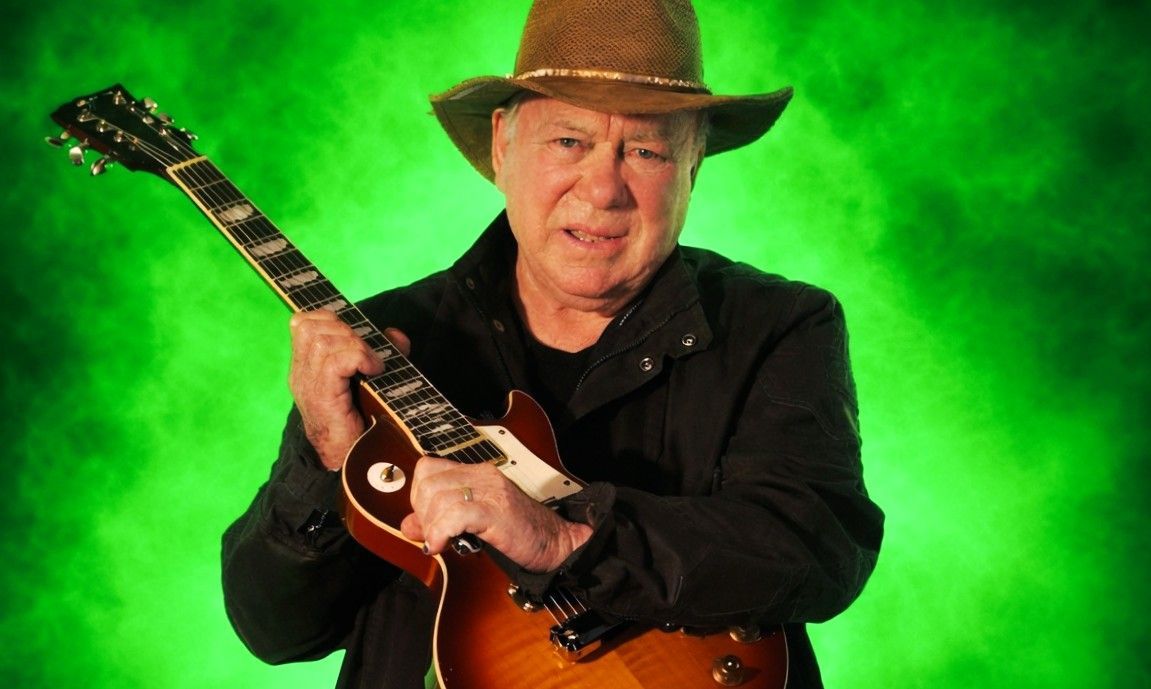
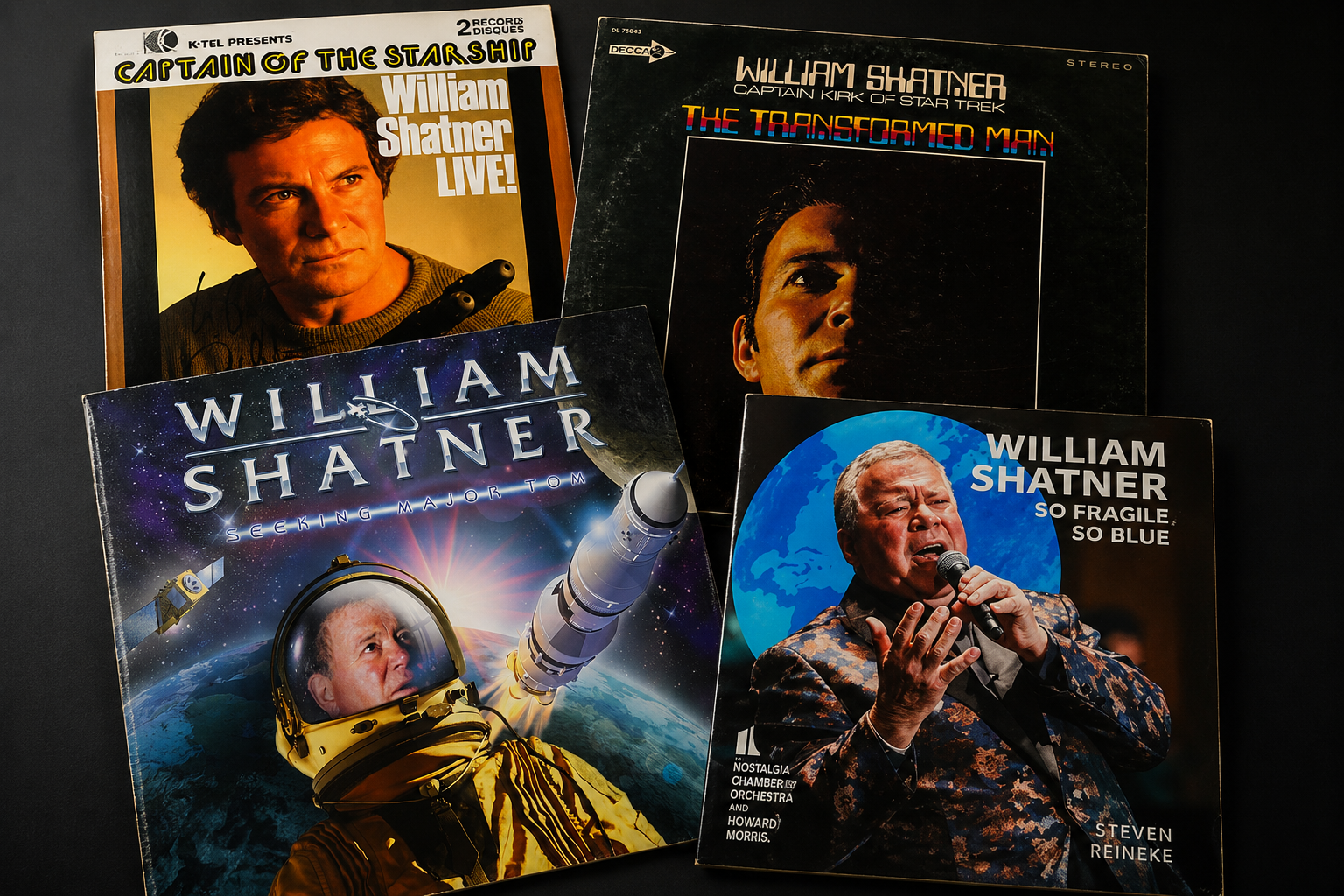
The easiest mistake would be to treat this as a novelty. Shatner's career has never really worked that way. Yes, there will always be those who remember his spoken-word interpretation of Rocket Man, but focusing on that alone misses the bigger picture. Music has been a recurring thread throughout his career for decades, from The Transformed Man in 1968 through to Has Been, Seeking Major Tom, The Blues, Shatner Claus and other more recent releases.
Sometimes the results divided opinion, but they were rarely predictable, and that unpredictability became a defining feature of Shatner's musical career. Rather than serving as an occasional detour between acting jobs, music evolved into another medium through which he explored voice, rhythm and storytelling.
This heavy metal project is simply the latest chapter in a pattern that stretches back more than half a century.
If there was a turning point, it was Has Been. Released in 2004 and produced by Ben Folds, the album caught many critics off guard by refusing to treat its premise as a joke, and instead pairing Shatner's unmistakable spoken delivery with sharply written, often surprisingly vulnerable songs about ageing, regret, love and identity.
Rather than becoming a celebrity curiosity, Has Been earned genuine critical acclaim and quietly demonstrated that Shatner approached music as another form of storytelling rather than a novelty act.
Why Heavy Metal?
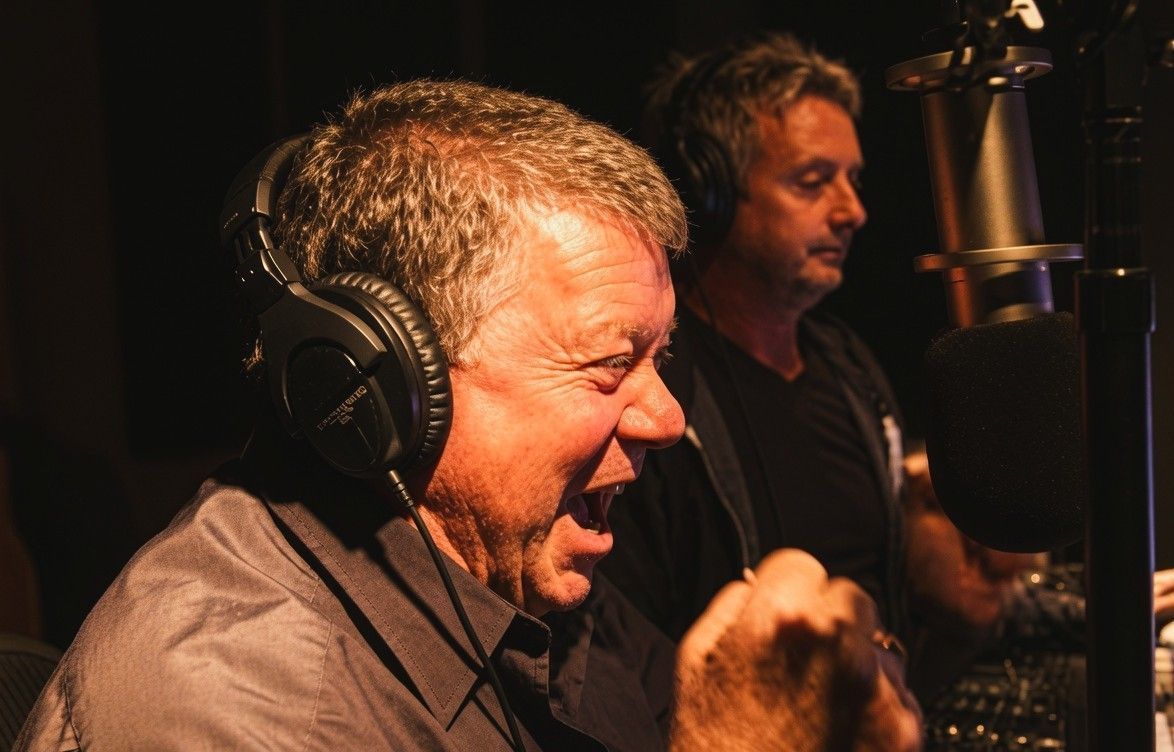
On paper, heavy metal might seem like an unlikely destination. Then again, Shatner has built an entire career on boldly going where very few entertainers would have dared, so perhaps it shouldn't come as such a surprise. Speaking about the project, he explained that he wanted "pounding beats" because "the drums drive the emotion. They create the urgency, the excitement, the danger. Heavy metal should hit you in the chest and move your soul at the same time."
That doesn't sound like someone selling a gimmick or a carefully constructed marketing campaign. It sounds like an artist explaining the emotional mechanics of the music itself.
More Than Distortion
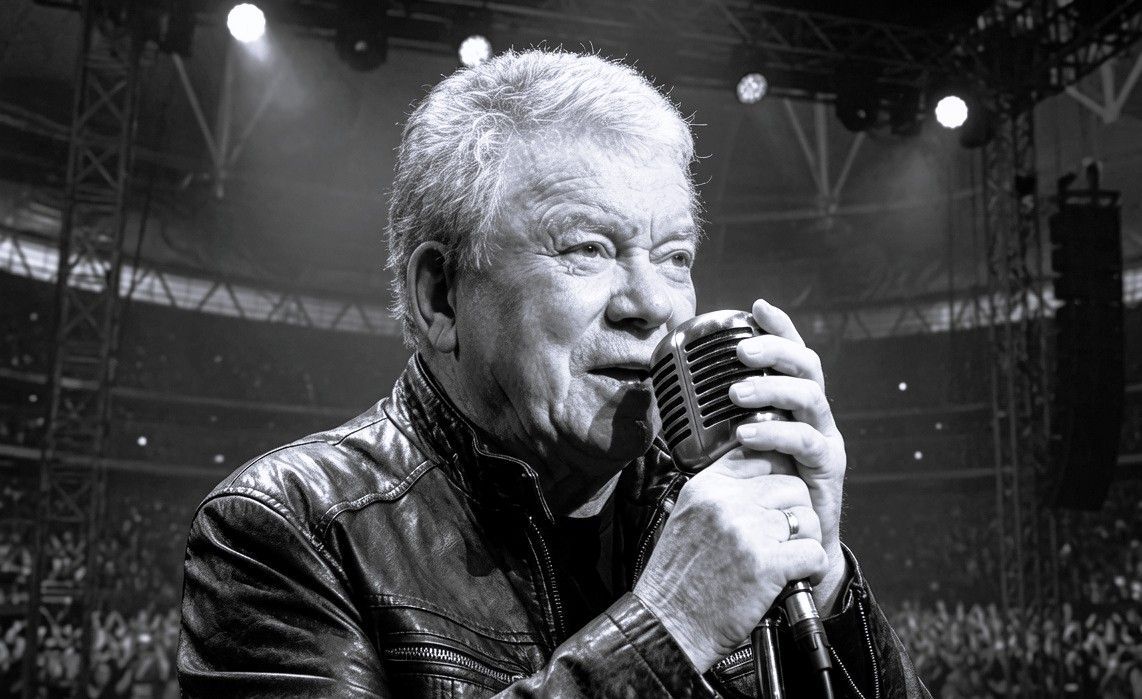
Interestingly, his language isn't especially concerned with distortion or aggression either. Instead, he speaks about movement, impact and drama; the same qualities that have informed much of his acting career. In that sense, heavy metal isn't the destination, it's just the latest vehicle.
Shatner isn't trying to become a heavy metal frontman overnight; he's using heavy metal as the language best suited to the story he wants to tell. The guitars, the thunderous drums and the sheer scale of the music aren't the destination in themselves, but the emotional vocabulary through which the performance can speak. For an artist who has spent a lifetime moving between film, television, theatre, literature and music, this feels less like another reinvention than another medium through which to tell a story.
This Isn't a Vanity Project
If this were simply William Shatner shouting over a few distorted guitars, it would be difficult to take seriously. Instead, the personnel list suggests something far more considered.
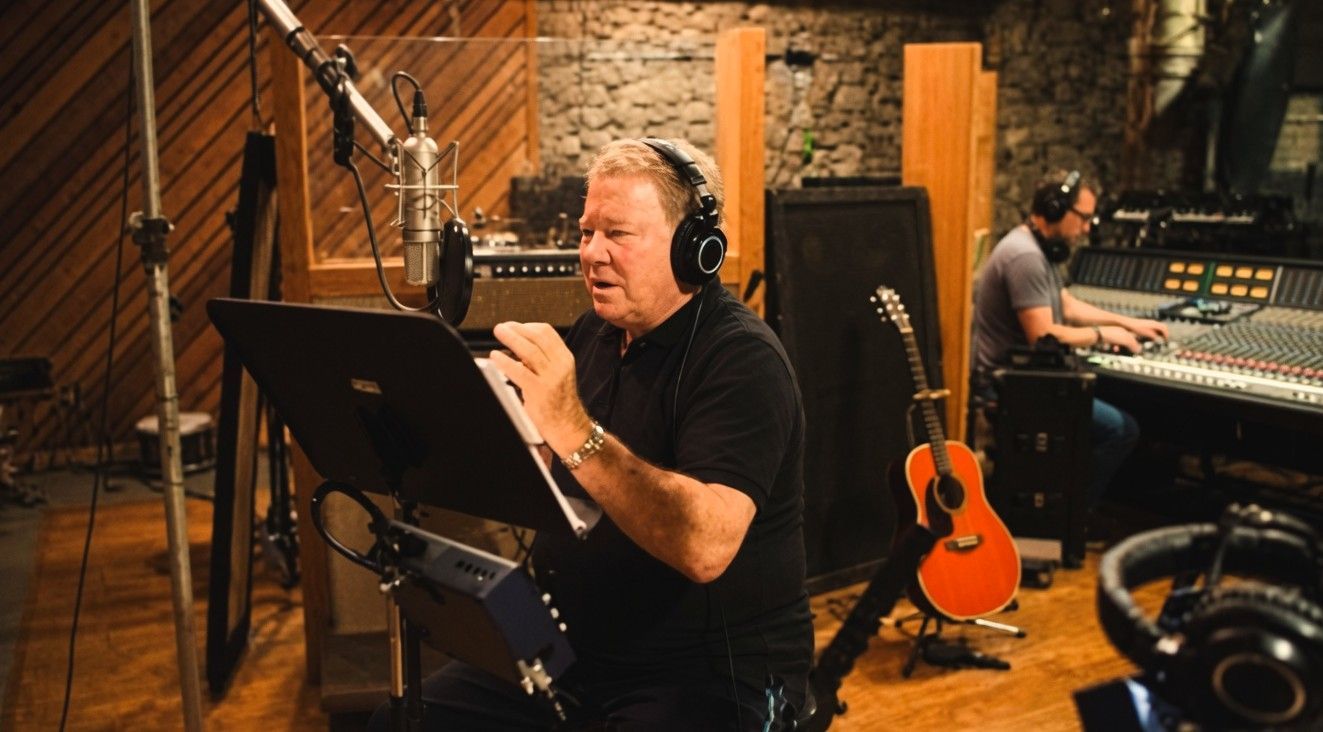
The project reportedly brings together an unusually broad collection of musicians from across the heavy metal scene, including Mikkey Dee, Dave Lombardo, Chris Adler, Vinny Appice, Carmine Appice, Kenny Aronoff, Simon Wright, Bobby Rondinelli, Matt Starr and Steve Zing, with legendary Judas Priest frontman Rob Halford also reportedly involved.
Production duties are shared between Adam Hamilton, Brian Perera, Derek Hughes, Marcus Nand and Die Krupps' Jürgen Engler.
That roster isn't there to decorate a press release.
These are musicians whose reputations were built on precision, authority and credibility. Their involvement doesn't automatically guarantee a great record, but it does suggest that everyone involved is treating the material as something worth committing to properly.
Why Stop at an Album?
Perhaps the most intriguing part of the announcement isn't the album itself.
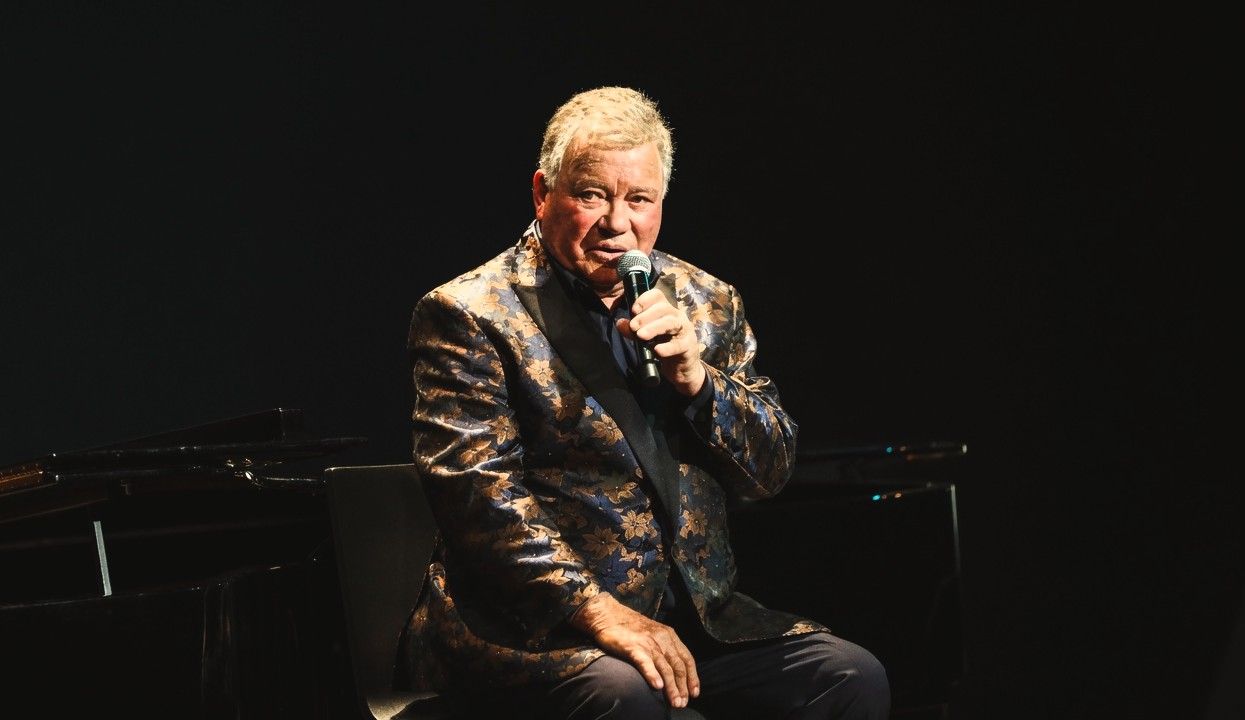
It's Shatner's desire to take it to the stage, but this time not as a standard tour or another celebrity concert, but rather as a theatrical production blending storytelling, live musicianship and large-scale visuals into something closer to an immersive experience than simply another gig. Early descriptions suggest a production that is partly concert, partly theatre and partly a celebration of heavy metal's enduring cultural power.
Shatner appears to be asking whether heavy metal can become something more cinematic without sacrificing the qualities that made it powerful in the first place. Whether that ambition ultimately succeeds remains an open question. But the ambition itself is difficult not to respect.
A Career Built on Unexpected Left Turns
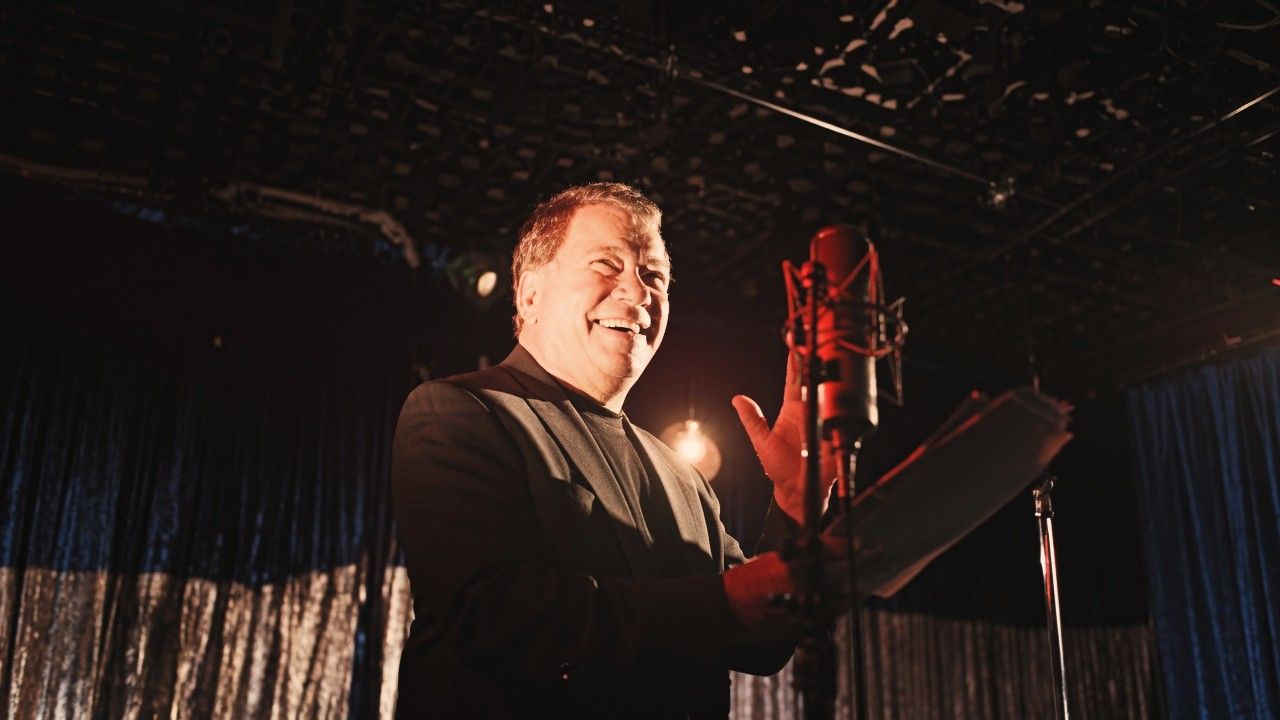
William Shatner's public image has always been more complicated than popular culture sometimes allows. Captain Kirk made him famous, but it didn't define everything that followed.
Over the decades he has directed films, written books, hosted documentaries, performed on Broadway, recorded blues albums, collaborated with Ben Folds, explored progressive rock, country, Christmas music and the spoken word, and even travelled into space aboard Blue Origin's New Shepard in 2021!
Reinvention has never been a late-career strategy; it's been the career path itself. Seen in that light, this heavy metal project feels less like a radical departure than another unexpected stop on a journey that has consistently refused to settle into one lane.
The Real Risk Isn't His Age
The obvious headline practically writes itself: William Shatner. Heavy metal. Ninety-five.
Yet age isn't actually the most interesting part of this story. The real question is whether a project like this can move beyond its own curiosity factor and be judged on its artistic merits.
Whether audiences can move beyond the initial "I can't believe William Shatner is making a metal album" reaction and embrace it as a serious artistic work may ultimately determine the project's success. Novelty fades. Art endures.
Fortunately, Shatner appears to understand that difference.
His own comments rarely dwell on celebrity or spectacle for its own sake. Instead, he repeatedly returns to music's emotional force, the musicians around him and the desire to create something immersive rather than merely loud.
The Unknown Has Always Beckoned
There is still plenty we don't know. The album has yet to receive a confirmed release date or title, and while discussions surrounding the live production appear genuine, no performances have been formally announced.
A concept like this deserves room to develop before being judged, and what matters for now is that William Shatner continues to behave exactly as he has throughout much of his career. He finds another unexplored corner and wanders towards it, driven by the same restless curiosity that made Captain Kirk such an enduring character, only this time the frontier isn't deep space but artistic expression.
Having explored television, film, literature, music and even space itself, Shatner now appears to be charting another unknown territory, before turning to the audience with the same question he has asked throughout his career: "Care to come along?"
At 95, this doesn't really feel like a story about age. It feels like a story about curiosity, because while nostalgia looks backwards, curiosity has always looked ahead. And perhaps that's why it never really grows old.
Information in this article was sourced from William Shatner's official social media announcements, together with reporting from Louder, Blabbermouth, Guitar World, MusicRadar and other reputable music and entertainment industry outlets, alongside publicly available interviews and statements from William Shatner and those directly involved with the project. As the proposed live production continues to develop, some details remain subject to change.