
The Matrix Is Being Rebuilt. But Does Hollywood Really Need to Plug Us Back In?
The Matrix Is Being Rebuilt. But Does Hollywood Really Need to Plug Us Back In?
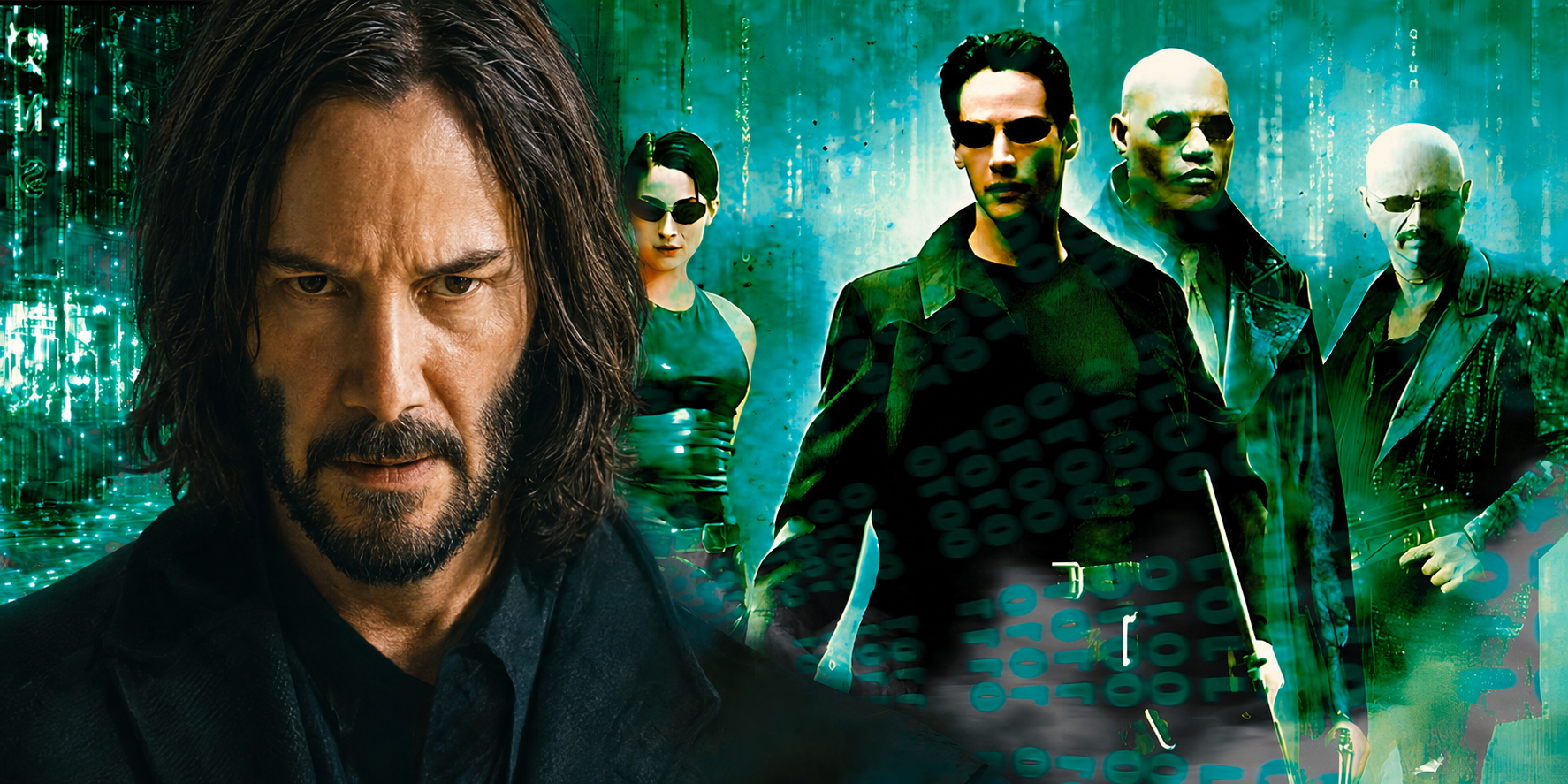
There are films that succeed, films that influence what follows, and then there are those rare cultural earthquakes that seem to divide cinema into everything that came before them and everything that came after. When The Matrix arrived in 1999, audiences came for the black leather, impossible gunfights and a Keanu Reeves action movie unlike anything they had seen before. They left questioning reality itself. Twenty-seven years later, Hollywood is preparing to plug us back in. The more interesting question is whether there is still somewhere worth taking us.
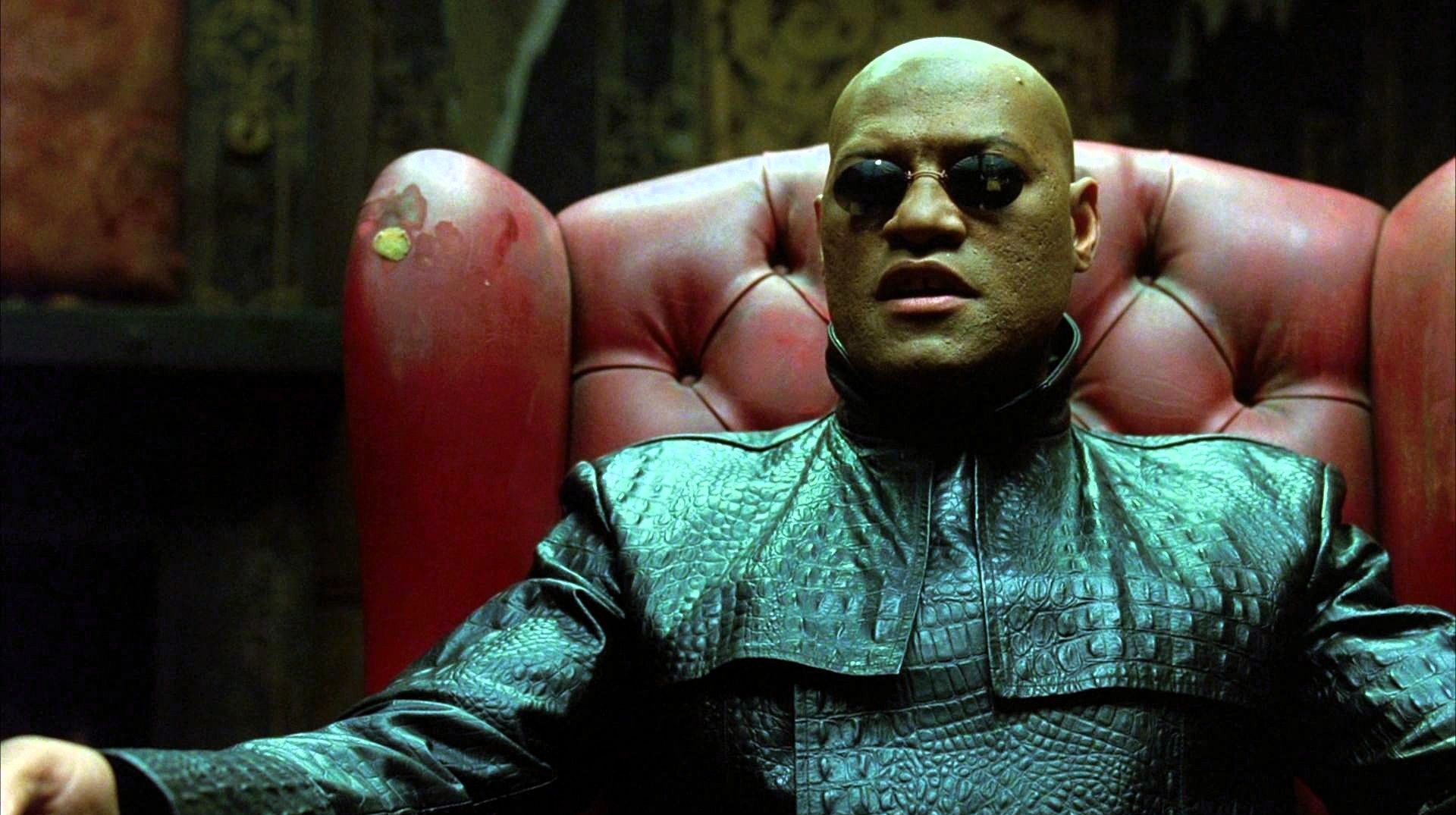
The original Matrix was one of those increasingly rare films whose influence escaped the cinema almost immediately. Bullet time was imitated until it became a visual cliché. Red pills and blue pills entered everyday language. Its clothes, choreography and green-tinted digital world became instantly recognisable, while its ideas about technology, identity and simulated reality proved considerably harder to leave behind.
Four films, an animated anthology, games, comics and countless imitators later, Warner Bros. is preparing to enter that world again.
As of now, there is no trailer, no confirmed cast, or even an official title yet.
But there is a filmmaker. And for the first time in the history of The Matrix, his surname isn't Wachowski.
The Matrix Is Being Rebuilt
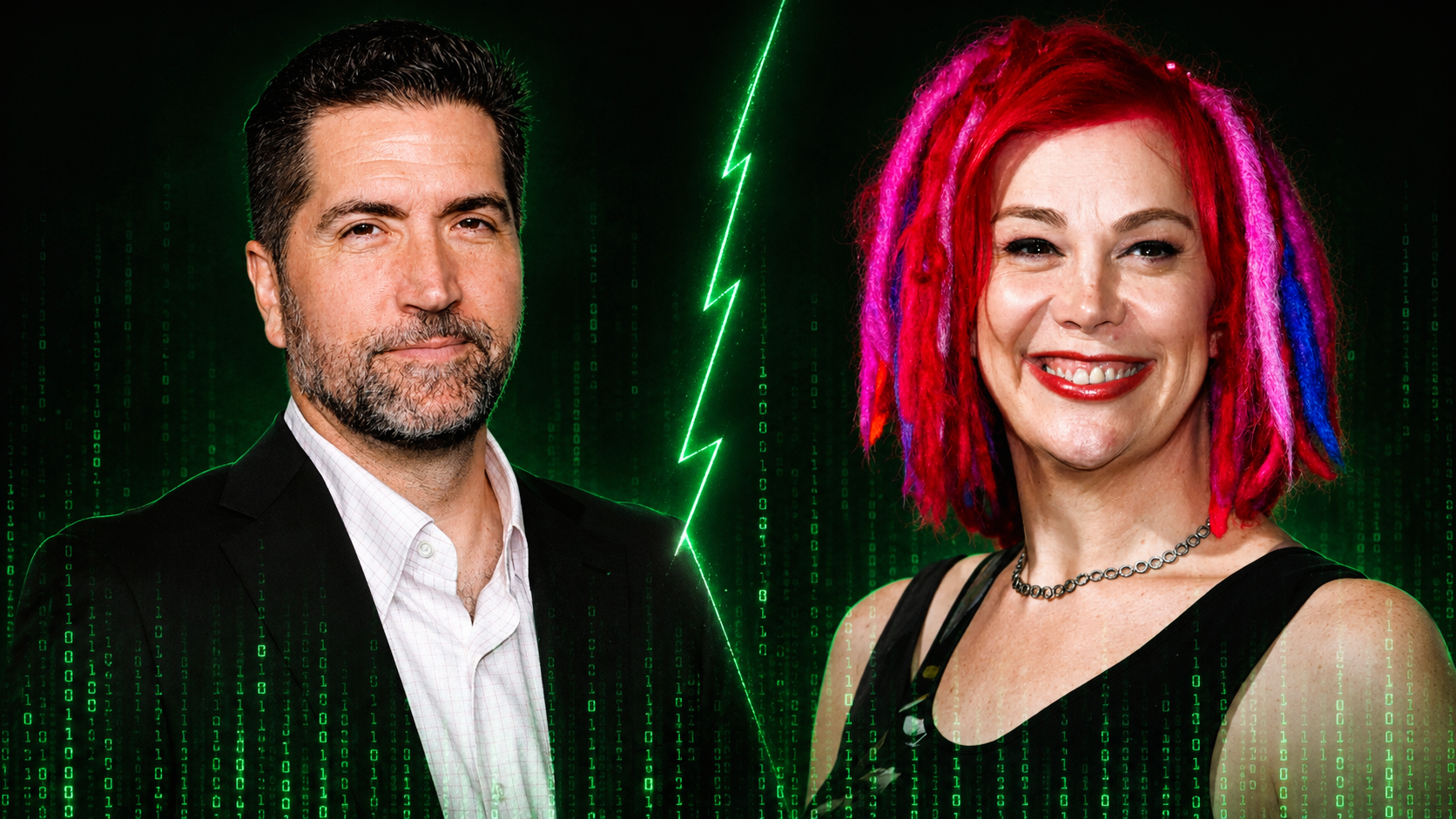
The fifth live-action Matrix film is officially in development at Warner Bros., with Drew Goddard attached to write and direct. Lana Wachowski, who co-created the franchise with Lilly Wachowski and returned alone to direct The Matrix Resurrections, remains involved as executive producer. Goddard and his producing partner Sarah Esberg are also producing through Goddard Textiles.
Beyond that, the white rabbit trail becomes considerably harder to follow. No cast has been officially announced. There is currently no confirmation that Keanu Reeves will return as Neo, nor that Carrie-Anne Moss will reprise Trinity. No plot synopsis has been released and, despite increasingly convincing fan trailers and speculative listings suggesting otherwise, there is no official 2027 release date.
In fact, the latest indication from Warner Bros. points in the opposite direction.
The studio recently included the next Matrix instalment among projects forming part of its theatrical slate beyond 2027, making 2028 the earliest reasonable possibility rather than a confirmed release year.
Goddard himself has offered an even simpler explanation of where things stand. Speaking earlier this year, he confirmed that the project remains alive, describing himself as being in his “writing cave” and admitting that he doesn't know how long he'll remain there before emerging with something more substantial to share.
That may not provide impatient fans with much to dissect, but it does tell us something important: this movie is still being written.
That kind of clarity is increasingly important when almost every major franchise announcement now produces an ecosystem of supposed casting exclusives, AI-generated posters and fan-made trailers long before a camera has rolled.
Search for Matrix 5 today and you could easily come away believing Reeves has already polished the sunglasses and booked his flight back to Zion. As things currently stand, he hasn't.
What Warner Bros. does have is an idea compelling enough to have persuaded the studio that one of modern cinema's most distinctive universes deserves another trip down the rabbit hole.
For the First Time, the Wachowskis Aren't Driving
This is where Matrix 5 becomes genuinely interesting.
Drew Goddard isn't simply directing another instalment in a long-running franchise. He is becoming the first filmmaker outside Lana and Lilly Wachowski to direct a live-action Matrix feature. That is a considerable inheritance.
When Warner Bros. announced the project in 2024, studio production president Jesse Ehrman said Goddard had approached them with an idea they believed could continue the Matrix world while honouring what the Wachowskis created and bringing his own perspective to it. Goddard was equally reverential, describing the films as having changed both cinema and his own life.
Such an origin story is encouraging.
There is a substantial creative difference between a studio searching its catalogue for something recognisable to resurrect and a filmmaker walking through the door because he believes he has found another story worth telling within it. Whether that story ultimately justifies another Matrix film is another matter entirely.
Goddard certainly has an intriguing résumé for the job. The Cabin in the Woods demonstrated his ability to understand the mechanics of a familiar genre well enough to dismantle them without losing sight of why audiences enjoyed them in the first place. His Oscar-nominated screenplay for The Martian took dense scientific problem-solving and made it accessible, funny and intensely human. More recently, his screenplay for Project Hail Mary has reinforced his credentials in large-scale, idea-driven science fiction. That combination feels particularly relevant here.
The Matrix has always needed both halves of the equation. Strip away the philosophy and it becomes an expensive action franchise with excellent tailoring. Strip away the spectacle and you're left with two hours of people discussing consciousness in very attractive sunglasses.
At its best, the series made those elements inseparable.
Goddard's challenge is discovering whether they can be fused together again without simply recreating somebody else's formula.
Lana Wachowski remaining aboard as executive producer at least provides a connective thread to the franchise's creators. Precisely how extensive that involvement will ultimately be has not been publicly detailed, so it would be premature to assume she is creatively steering the new film from behind the scenes.
For now, what matters is that this isn't a completely Wachowski-free Matrix, even if the person sitting in the director's chair will be new.
After twenty-seven years, one of modern cinema's most distinctive worlds is finally being entrusted to somebody new.
The Impossible Legacy of 1999
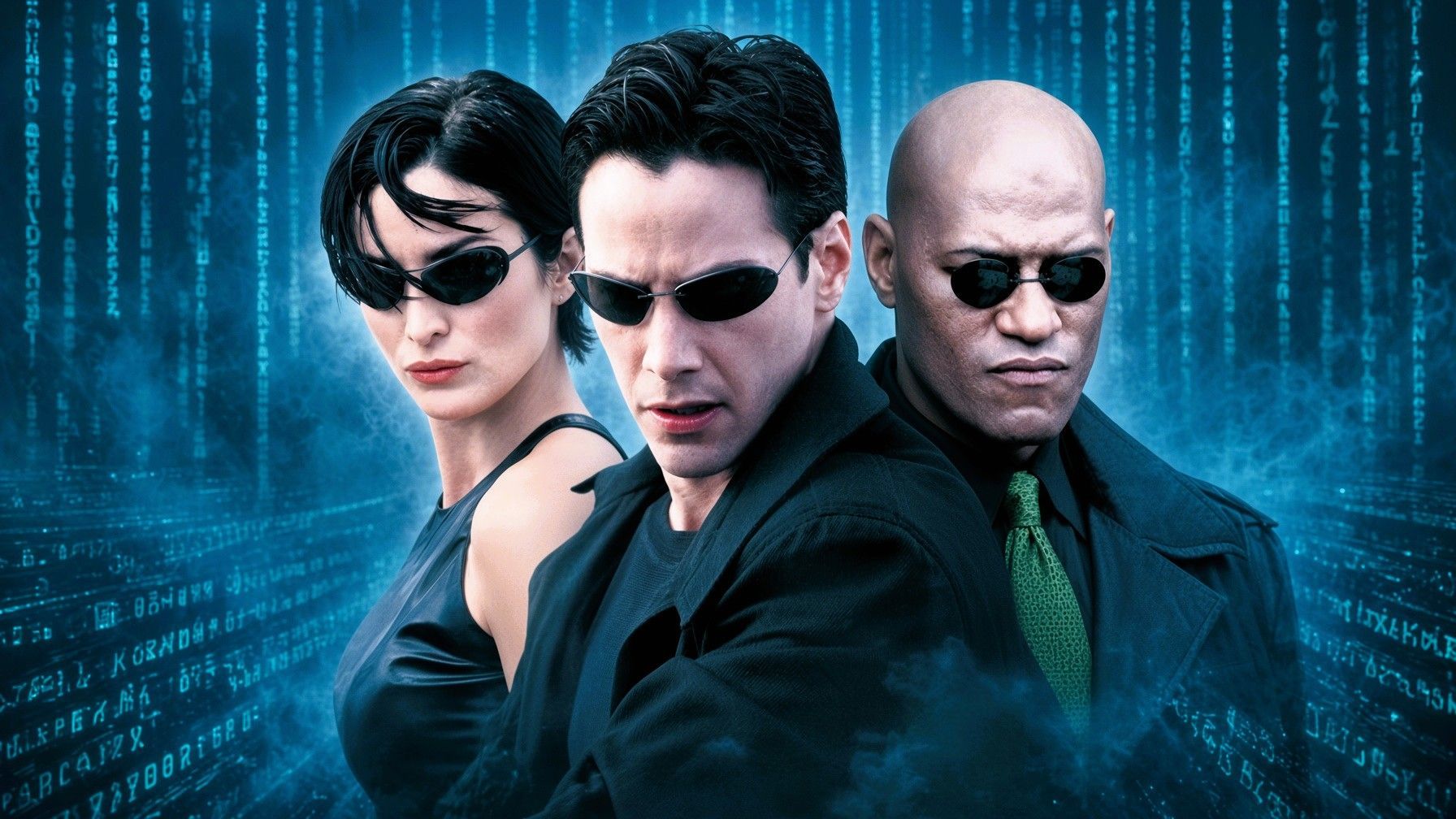
Part of Goddard's problem is that the first Matrix has become almost impossible to separate from the cinema that followed it.
Go back to 1999 and the impact becomes easier to appreciate.
Hollywood action cinema was already undergoing enormous technological change, but Lana and Lilly Wachowski combined those emerging tools with martial arts choreography, cyberpunk, anime influences, philosophy, religious symbolism and a distinctly end-of-millennium unease about the machines quietly colonising everyday life.
Then they wrapped it all inside an extraordinarily efficient action movie.
The sight of Trinity suspended in mid-air as the camera appeared to orbit around her became one of the defining images of late-1990s cinema. Neo bending backwards beneath a stream of bullets was copied, spoofed and referenced so relentlessly that audiences who had never watched The Matrix still understood the joke. But bullet time was only the most visible part of its legacy.
The deeper achievement was making complicated ideas feel exciting. Plato's Cave, questions of determinism, artificial reality and the nature of free will weren't presented as homework audiences had to complete before enjoying the gunfights. They were the reason the gunfights mattered.
Even its simplest iconography carried ideas with it.
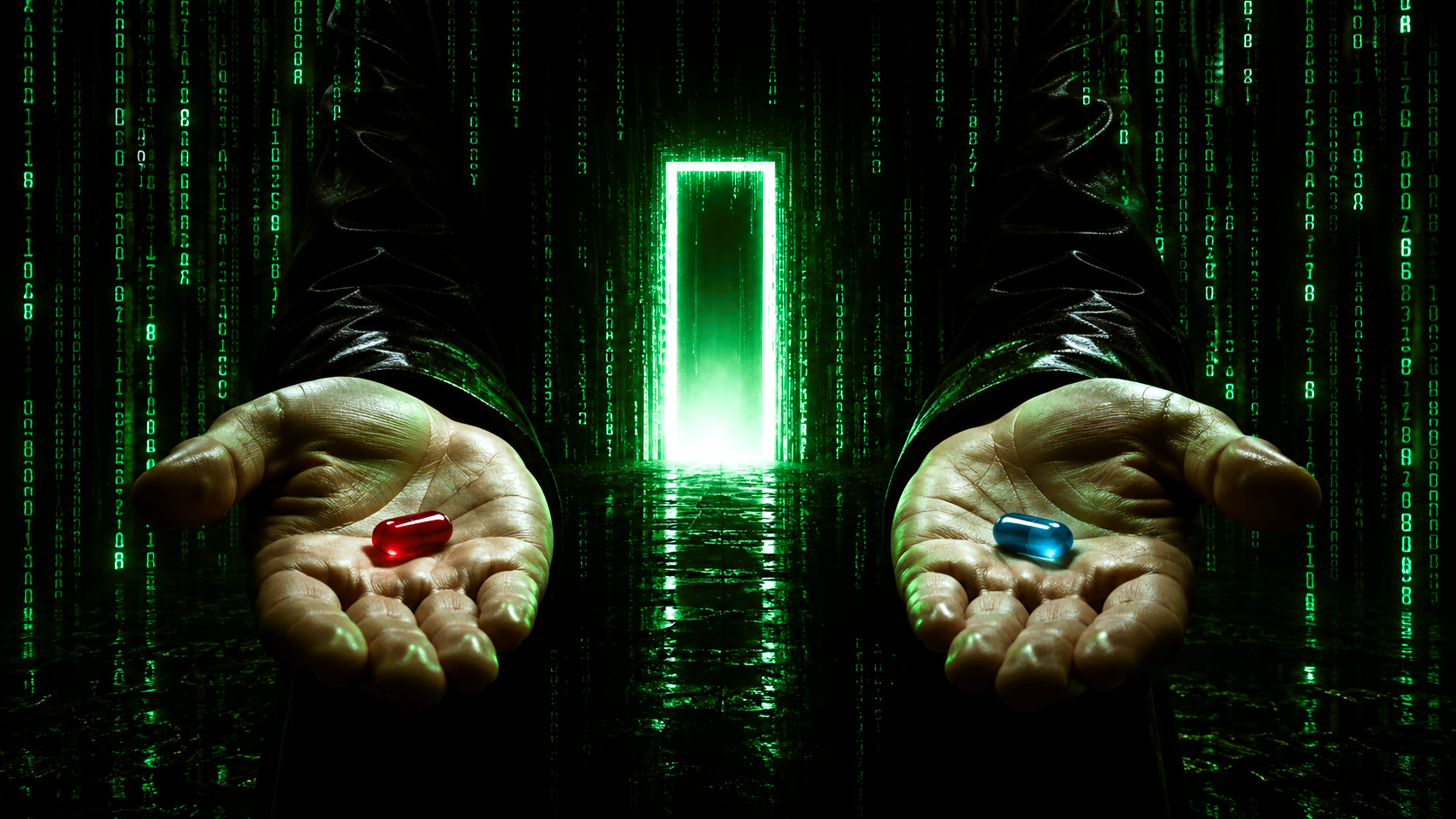
Take the red pill and discover an uncomfortable truth. Take the blue pill and return to the comforting illusion.
More than a quarter of a century later, people still understand what that choice means.
That is an extraordinary legacy for any science-fiction film to leave behind. It is also a fairly terrifying benchmark for anyone attempting another one.
The Sequels Complicated Everything
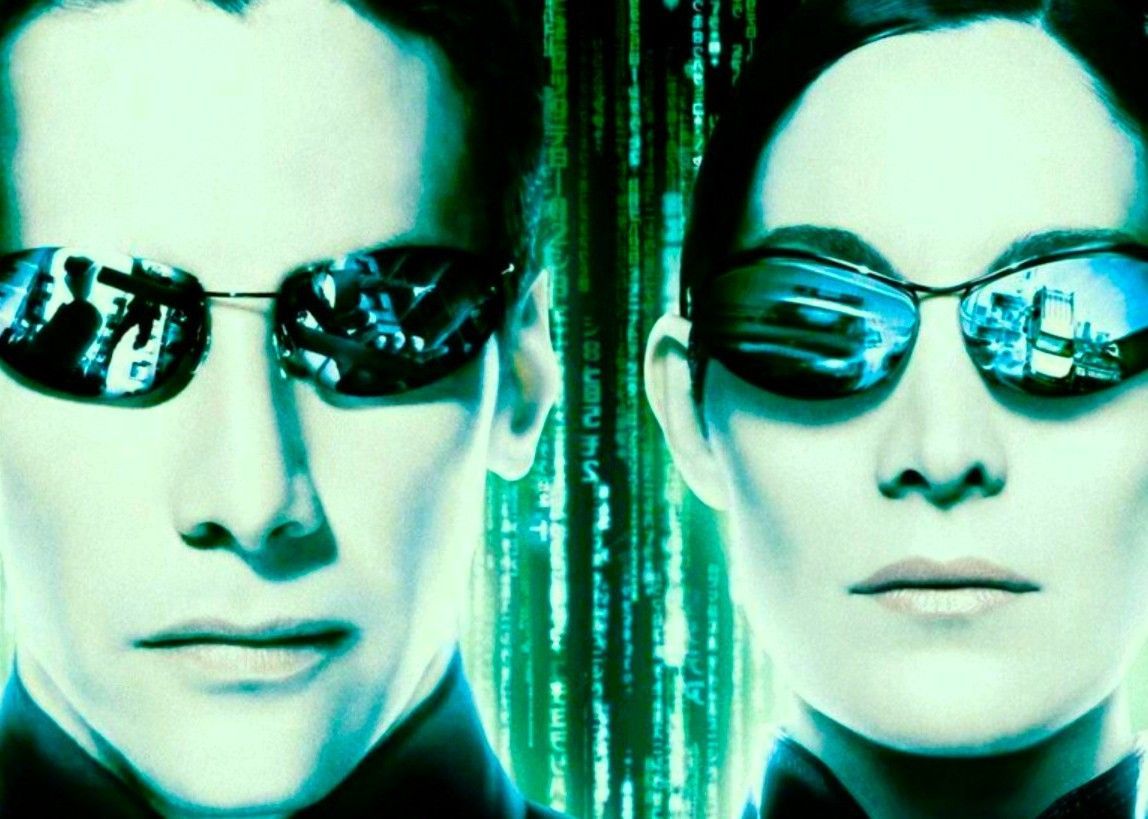
The uncomfortable truth about The Matrix franchise is that audiences have spent more than two decades waiting for another instalment to make them feel the way the first one did. But perhaps that was always asking the impossible.
The Matrix Reloaded arrived in 2003 bigger, louder and considerably more ambitious. It expanded the mythology, pushed the action into increasingly elaborate territory and delivered sequences, particularly its freeway pursuit, that remain remarkable pieces of blockbuster engineering.
It also began pulling at philosophical threads that the original had tied into an unusually elegant knot.
The Matrix Revolutions, released only six months later, pushed further into war, sacrifice and mythology, concluding Neo and Trinity's story on a far more operatic scale. Admirers found depth in that ambition. Others felt the clean mystery of the original disappearing beneath increasingly dense exposition and digital spectacle. Neither reaction has ever entirely gone away.
That's what makes the franchise more interesting than its reputation sometimes allows. The sequels weren't timid attempts to repeat a successful formula. If anything, they were almost defiantly unwilling to give audiences another straightforward version of the first film.
There is something admirable about that, even where the results divided opinion. Then, eighteen years later, Lana Wachowski went back in.
And somehow, The Matrix Resurrections made the prospect of returning again considerably more complicated.
The Resurrections Problem
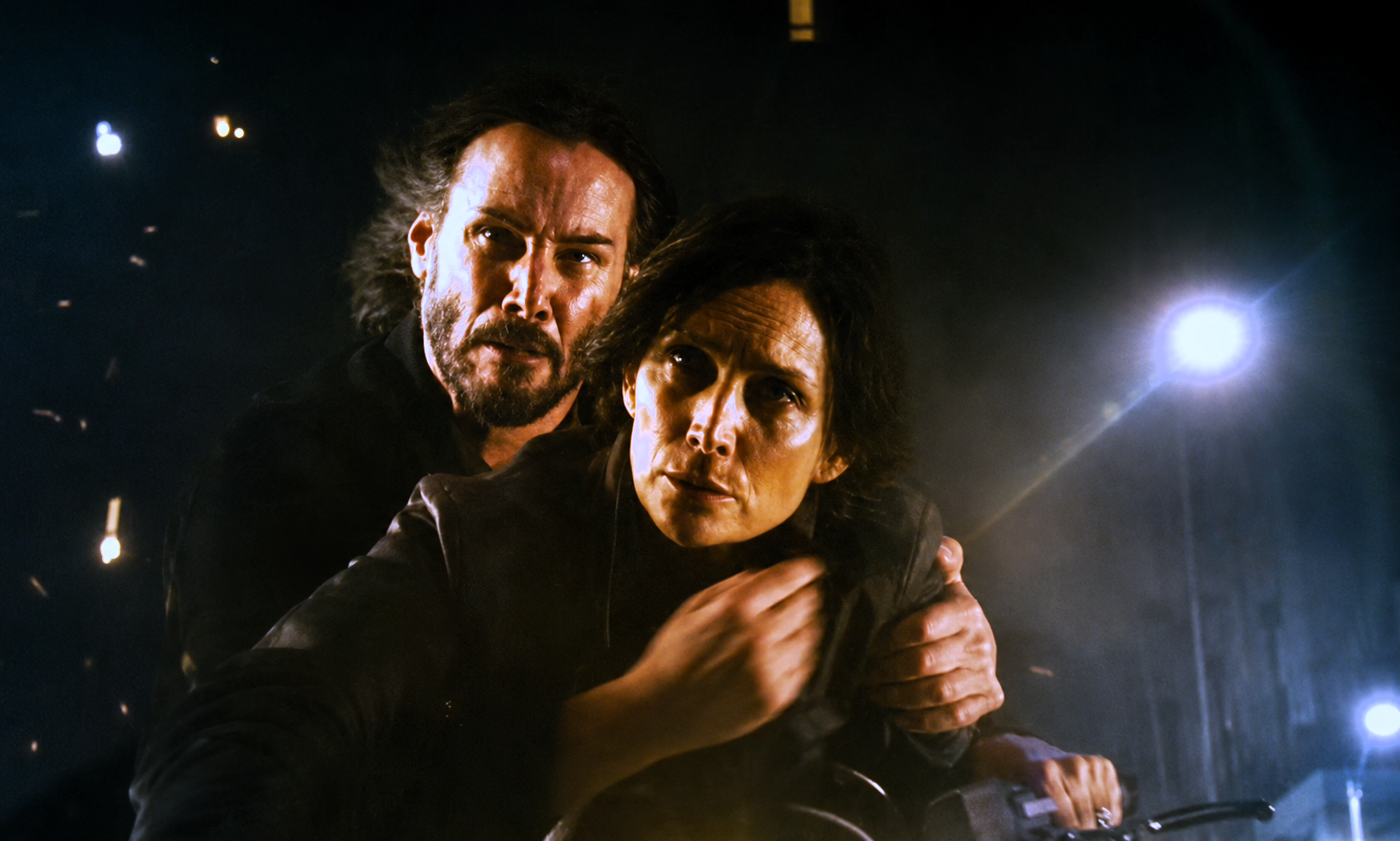
Released on 22 December 2021, The Matrix Resurrections arrived in a very different Hollywood from the one that had produced the original trilogy.
Legacy sequels were everywhere. Familiar characters were returning decades after audiences had last seen them. Studios had become extraordinarily adept at transforming nostalgia into opening-weekend anticipation. Lana Wachowski appeared acutely aware of all of it.
Resurrections didn't merely revisit The Matrix. It spent a surprising amount of time interrogating the idea of revisiting The Matrix at all.
Neo was now Thomas Anderson again, a celebrated game designer responsible for a trilogy called The Matrix. His corporate masters want another sequel. Characters sit around discussing what The Matrix means, what audiences expect from it and how its familiar ingredients might be repackaged. Warner Bros. itself is even named. Subtle, it wasn't.
But that self-awareness created an unusual problem for whoever came next: how do you produce another commercial Matrix sequel after the previous Matrix film already questioned the machinery responsible for endlessly producing commercial sequels?
Simply replaying the iconography would almost prove Resurrections' argument for it. And yet its existence also leaves Goddard with an opportunity.
He doesn't have to pretend the franchise hasn't wrestled with its own past. Lana Wachowski already did that for him. The red pills, black coats, green code and gravity-defying gunfights have been revisited, questioned and deliberately deconstructed.
Perhaps the fifth film's greatest opportunity is to stop asking how to recreate The Matrix, and start asking what The Matrix means now.
Does Neo Even Need to Return?
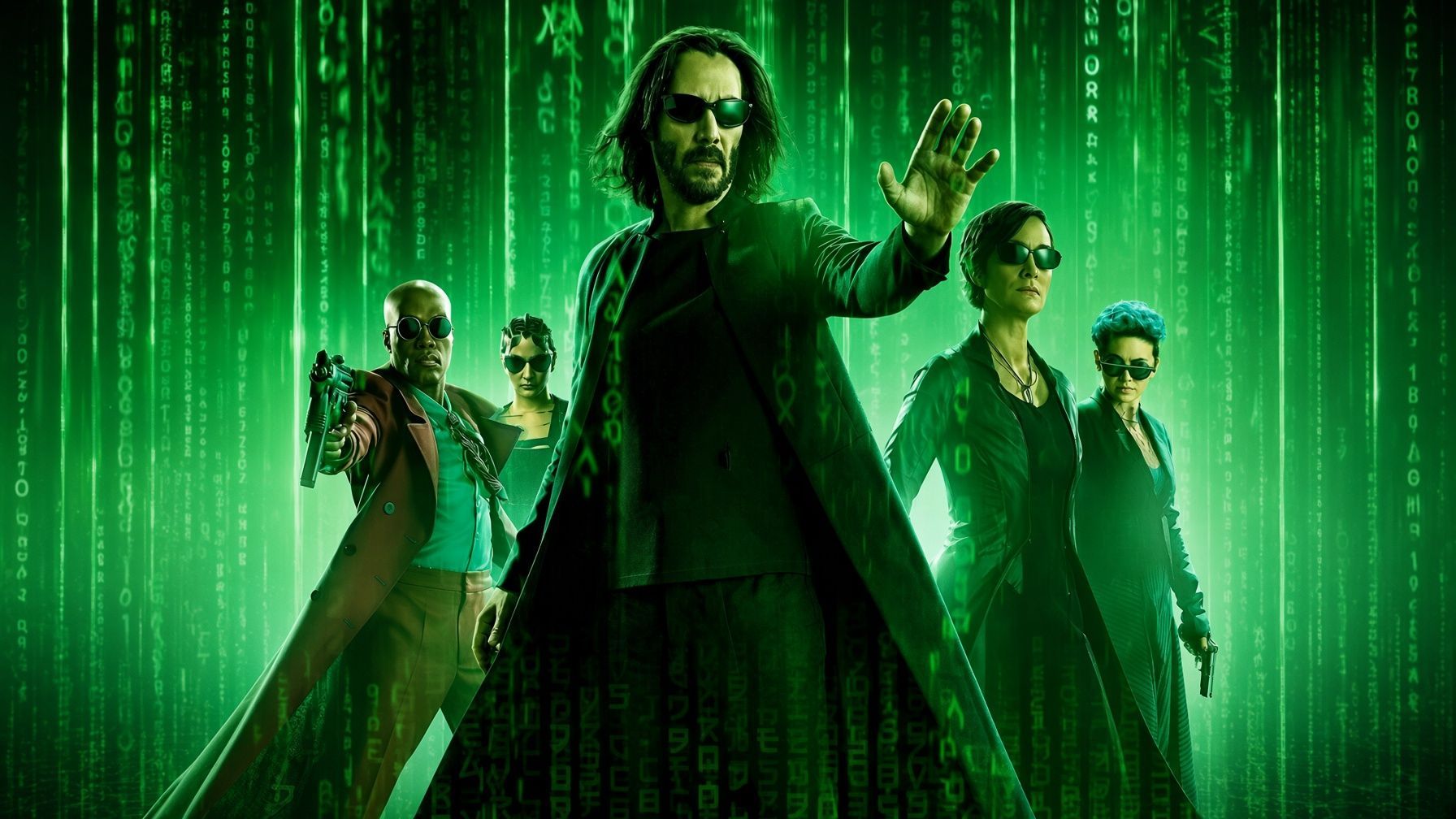
For all the unanswered questions surrounding the fifth Matrix film, one inevitably towers above the others: What happens to Neo?
Keanu Reeves has become so inseparable from The Matrix that imagining one without him initially feels a little like imagining Indiana Jones without Harrison Ford. Neo is the face of the franchise, the audience's original guide into its world and, across four films, the emotional centre around which increasingly complicated mythology has continued to orbit.
But as things currently stand, Reeves has not been confirmed to return. Asked directly in 2026 whether Reeves or members of the original cast would be involved, Goddard declined to reveal anything, saying only that he couldn't speak about it yet. That leaves Neo's involvement firmly in the realm of speculation. And perhaps that's exactly where it should remain for now.
Resurrections gave Neo and Trinity something resembling a new beginning. After spending much of the franchise separated by death, machines and increasingly complicated metaphysics, its final moments returned power and agency to them both. Immediately dragging them into another existential crisis risks turning that resolution into little more than an interval between sequels.
But there’s another possibility: maybe The Matrix has finally become bigger than Neo.
The Wachowskis themselves demonstrated that potential more than twenty years ago with The Animatrix. Its collection of stories moved beyond the central trilogy to explore different characters, periods and corners of the mythology, including the catastrophic history behind humanity's war with the machines. It suggested that this universe could accommodate horror, tragedy, action and philosophical science fiction without requiring Neo to walk through the door every time. And that remains one of the most tantalising possibilities facing Goddard.
A returning Reeves could provide continuity without necessarily becoming the entire reason for the film's existence. Neo could be central. He could appear in a smaller role. He might not appear at all. The same questions surround Carrie-Anne Moss, Laurence Fishburne, Jessica Henwick and the wider collection of characters accumulated across four films. At this stage though, none of those choices has been announced.
This leaves Goddard with something increasingly rare when it comes to inheriting a franchise this valuable: room to surprise us.
The World Has Finally Caught Up With The Matrix
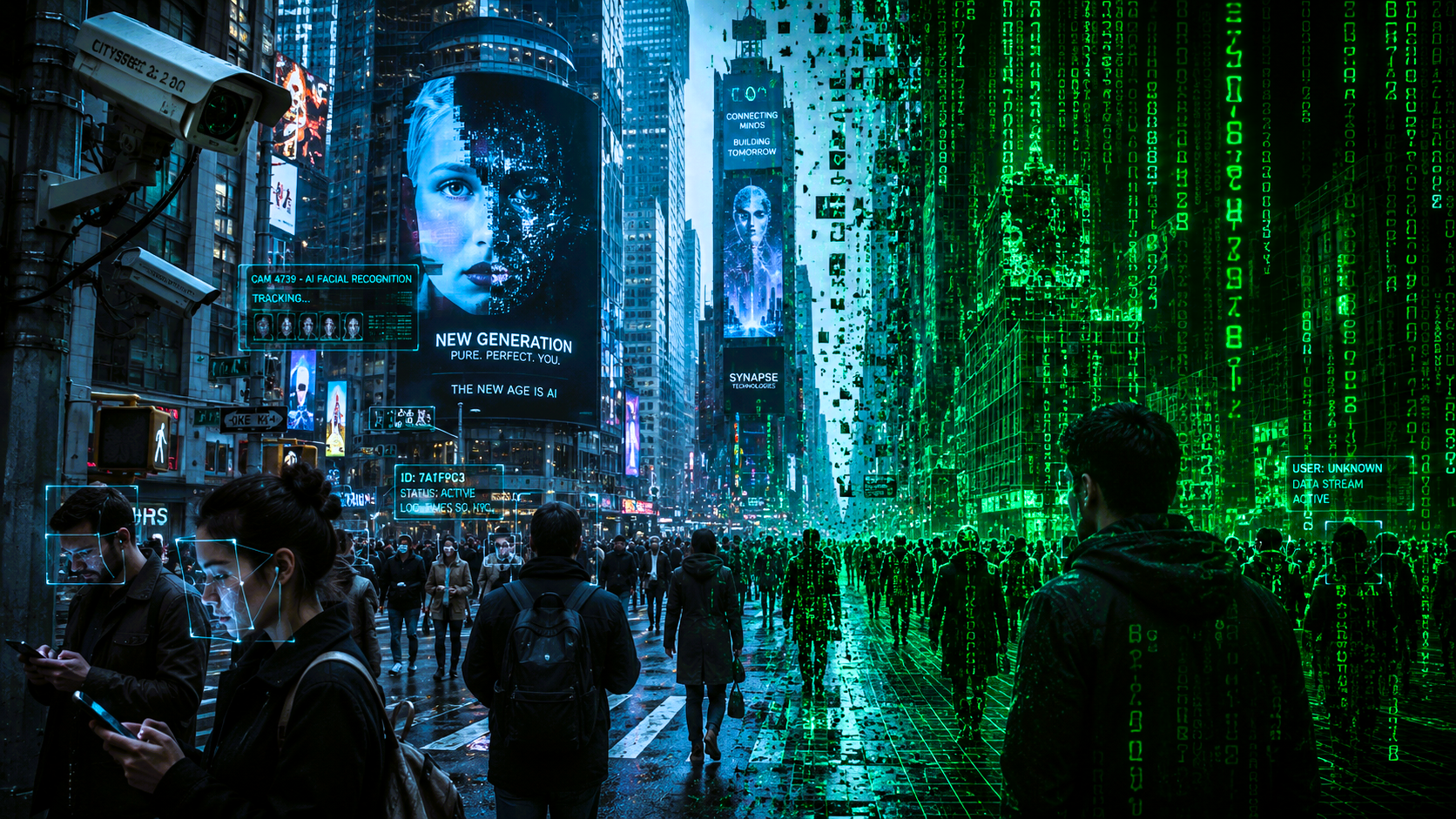
There is another reason returning to this universe feels more compelling today than it did even five years ago. The world has changed, technology has accelerated, and some of the ideas The Matrix once presented as science fiction no longer feel quite so distant.
When The Matrix arrived in 1999, the internet was still something millions of people accessed through screaming dial-up modems. Social media didn't exist in anything resembling its modern form. Smartphones were years away from becoming extensions of our identities. Artificial intelligence remained, for most audiences, something encountered primarily in science fiction.
The film's central proposition was fantastical: what if the world you experience every day isn't real? Twenty-seven years later, that question lands differently.
We now live surrounded by algorithms capable of deciding what information reaches us, synthetic images increasingly difficult to distinguish from photographs, artificial voices capable of imitating human beings and digital spaces where people construct identities that may bear only passing resemblance to the person sitting behind the screen.
AI can generate faces belonging to people who never existed. Deepfakes can make familiar people appear to say things they never said. Entire virtual environments can be produced computationally. The line between something captured, something altered and something completely manufactured is becoming increasingly difficult to identify at a glance.
None of this all means we’re living inside the Matrix. But it does mean the metaphor has acquired new weight. And this could be the fifth film's greatest advantage.
The original didn't endure because audiences spent twenty-six years wondering whether humans could really be plugged into pods. It endured because the simulation provided a compelling way to talk about reality, control, identity, choice and the systems governing our lives.
What does truth mean when reality itself can be convincingly manufactured? How much control are people willing to surrender for convenience? A new film has an extraordinary amount of contemporary material to work with.
If an illusion makes us happier, safer and more comfortable, how many people would genuinely choose to wake up?
Twenty-seven years later, Cypher's willingness to be plugged back in feels considerably less absurd when so much of modern life already asks us to choose convenience over authenticity.
Suddenly, another red pill doesn't sound quite so redundant.
The Choice Facing Drew Goddard
By the time Drew Goddard finally emerges from that writing cave, the biggest question won't be whether he understands what made The Matrix work. It will be what he chooses to do with that understanding.
There is an obvious temptation to reach for the familiar. The green code. The martial arts. The sunglasses. The philosophical conversations and reality-bending action that became part of the franchise's identity. But Goddard's challenge isn't simply to prove that he can make something that looks and feels like The Matrix. It's to work out what those ingredients can mean to an audience almost three decades later.
His track record at least suggests a writer comfortable handling that kind of balancing act. The Martian took scientific detail that could easily have suffocated a blockbuster and transformed it into character, humour and suspense. More recently, Project Hail Mary required him to translate another dense, idea-driven science-fiction story into accessible human drama. Goddard has also spoken about taking the responsibility of The Matrix seriously, describing the Wachowskis' films as profoundly influential on his own creative voice. Those instincts could serve him well.
Because the worst possible outcome would be a beautifully polished imitation of 1999.
We don't need another lobby shootout simply because the first one was brilliant, or another choice between two coloured pills simply because audiences recognise the image. And we certainly don't need two hours of familiar callbacks while the screenplay waits patiently for us to applaud.
Nostalgia can reopen the door, but it cannot be the only reason for walking through it. Goddard needs to find the question that belongs to this version of The Matrix, and give audiences a compelling enough reason to care about the answer.
That doesn't mean abandoning what made the franchise recognisable. Martial arts, extraordinary action design, philosophical curiosity and the unsettling collision between humanity and technology remain fundamental parts of its DNA. A fifth film that discarded all of them in pursuit of reinvention would risk becoming The Matrix in name alone.
The challenge remains evolution without imitation. And Goddard appears to understand the weight of this task. While discussing the project this year, he spoke about wanting to find the best story and doing right by the fans, the creators and himself as someone who loves the original films. That doesn't guarantee anything, of course. Reverence can be as creatively dangerous as indifference if it leaves a filmmaker afraid to take risks.
Whatever individual viewers make of Reloaded, Revolutions or Resurrections, none feels like the work of filmmakers content merely to reproduce the previous movie. Their ideas became stranger. Their mythology became denser. Sometimes their ambition outran their storytelling, but ambition was rarely the problem. Goddard should be afforded the same freedom.
If Warner Bros. simply wants another recognisable piece of intellectual property on its release calendar, the machines may as well have won already.
If it genuinely wants another Matrix, somebody needs to take a risk.
What Does The Matrix Look Like Without Its Creators?
The Matrix isn't merely a franchise the Wachowskis happened to direct. Their interests, influences and personalities are embedded deeply within it. Even when the sequels frustrated audiences, they remained unmistakably authored films.
Handing that world to another filmmaker therefore creates a difficult balancing act. Too deferential and Goddard risks making an expensive tribute act.
Too eager to put his own stamp on it and he risks losing the peculiar combination of sincerity, philosophy, pulp, anime, martial arts and cyberpunk that made The Matrix feel like The Matrix in the first place.
Lana Wachowski's executive-producer credit provides some reassurance, although it is important not to exaggerate what that currently tells us. Warner Bros. has not detailed the extent of her day-to-day creative involvement. The responsibility ultimately belongs to Goddard.
Franchises occasionally need somebody new to see possibilities their creators no longer do. James Cameron transformed Ridley Scott's Alien into something entirely different with Aliens without disrespecting what came before. Alfonso Cuarón altered the visual and emotional language of Harry Potter with Prisoner of Azkaban. Great continuations don't always come from preserving a franchise exactly as it was.
And perhaps that is precisely why this experiment is worth attempting. The greatest respect you can show a remarkable idea isn't always to preserve it exactly as it was, but to discover what else it is capable of becoming.
One More Choice
What we do know is enough to make this next chapter genuinely intriguing.
The Matrix is officially returning, Drew Goddard is writing and directing, Lana Wachowski remains involved as executive producer, and Warner Bros. clearly believes there is another story within this universe worth telling. Goddard is still working on the screenplay, which means the film may remain some distance away, but after twenty-seven years of watching the Wachowskis shape this world themselves, the prospect of seeing what another filmmaker can discover inside it feels like unexplored territory.
And perhaps that's exactly what The Matrix needs.
For the first time since 1999, nobody quite knows what a live-action Matrix movie made by somebody other than a Wachowski actually looks like. Goddard isn't simply inheriting Neo, Trinity, bullet time and a particularly famous collection of sunglasses. He's inheriting one of modern science fiction's most provocative ideas at precisely the moment when reality has begun asking some remarkably similar questions.
There is every reason to remain cautious, but perhaps even more reason to be curious, and increasingly, a little excited about where this might lead.
Perhaps Keanu Reeves will return. Perhaps Neo's story is finally complete. Perhaps Goddard will take us into an entirely unexplored corner of this universe. Until the screenplay emerges from that writing cave, nobody knows for certain, and maybe that's part of the appeal. For the first time in a long time, The Matrix has the opportunity to surprise us again.
What matters now is giving audiences a reason to want to go back.
The original film asked audiences to question the reality placed in front of them. Twenty-seven years later, that idea feels less like an ingenious science-fiction premise and more relevant with every passing year.
That gives Goddard something far more valuable than nostalgia. It gives him a reason to return.
Warner Bros. has chosen to take the red pill one more time. Now Drew Goddard has to show us how deep the rabbit hole can still go.
This feature is based on information officially available at the time of writing. Confirmed details regarding the development of the next Matrix film, Drew Goddard's role as writer and director, Lana Wachowski's involvement as executive producer and the project's current writing status were cross-referenced against Warner Bros. announcements and recent industry reporting. Warner Bros. Discovery's latest slate communication places the next Matrix instalment among projects planned beyond 2027; no official release date has been announced. No cast members, including Keanu Reeves or Carrie-Anne Moss, have currently been confirmed. Discussion regarding Neo's possible role, the direction of the story, artificial intelligence and the creative opportunities facing Goddard represents editorial analysis rather than confirmed production information.