Crom Help Us: Arnold Schwarzenegger's Conan Returns, But Is the Crown Heavier Than the Sword?
Crom Help Us: Arnold Schwarzenegger’s Conan Returns — But Is the Crown Heavier Than the Sword?
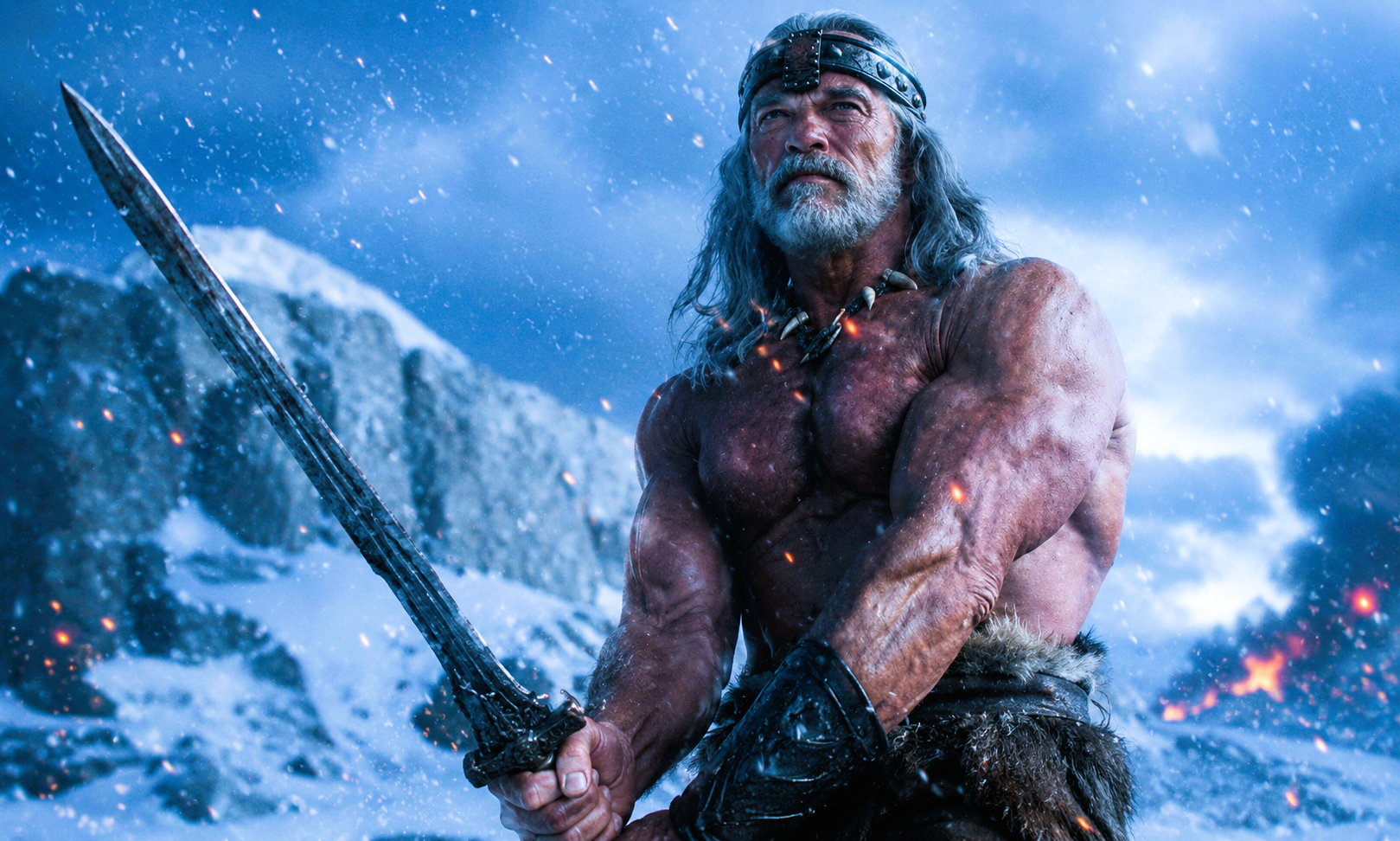
Arnold Schwarzenegger returning as Conan in 2026 should sound ridiculous. And it does, a little. But it’s also exactly why it might work.
According to trade reports,
The Legend of Conan is now in development at
20th Century Studios, with
Schwarzenegger attached to reprise the role that helped turn him from bodybuilding phenomenon into movie star.
Christopher McQuarrie, best known for steering the modern
Mission: Impossible
machine with surgical precision, is attached to write and direct.
That’s the headline at least. But what really piqued our interesting in the story is what this project is actually trying to revive.
This isn't just about reviving a franchise or watching Arnold bark at Crom while digital armies clash behind him; if The Legend of Conan is going to matter, it has to confront what happens after the barbarian wins.
After the muscles and the myth, after the victories and the conquest, comes the crown, and the sobering discovery that ruling a kingdom may be harder than taking it by force.
The Barbarian Who Became a King
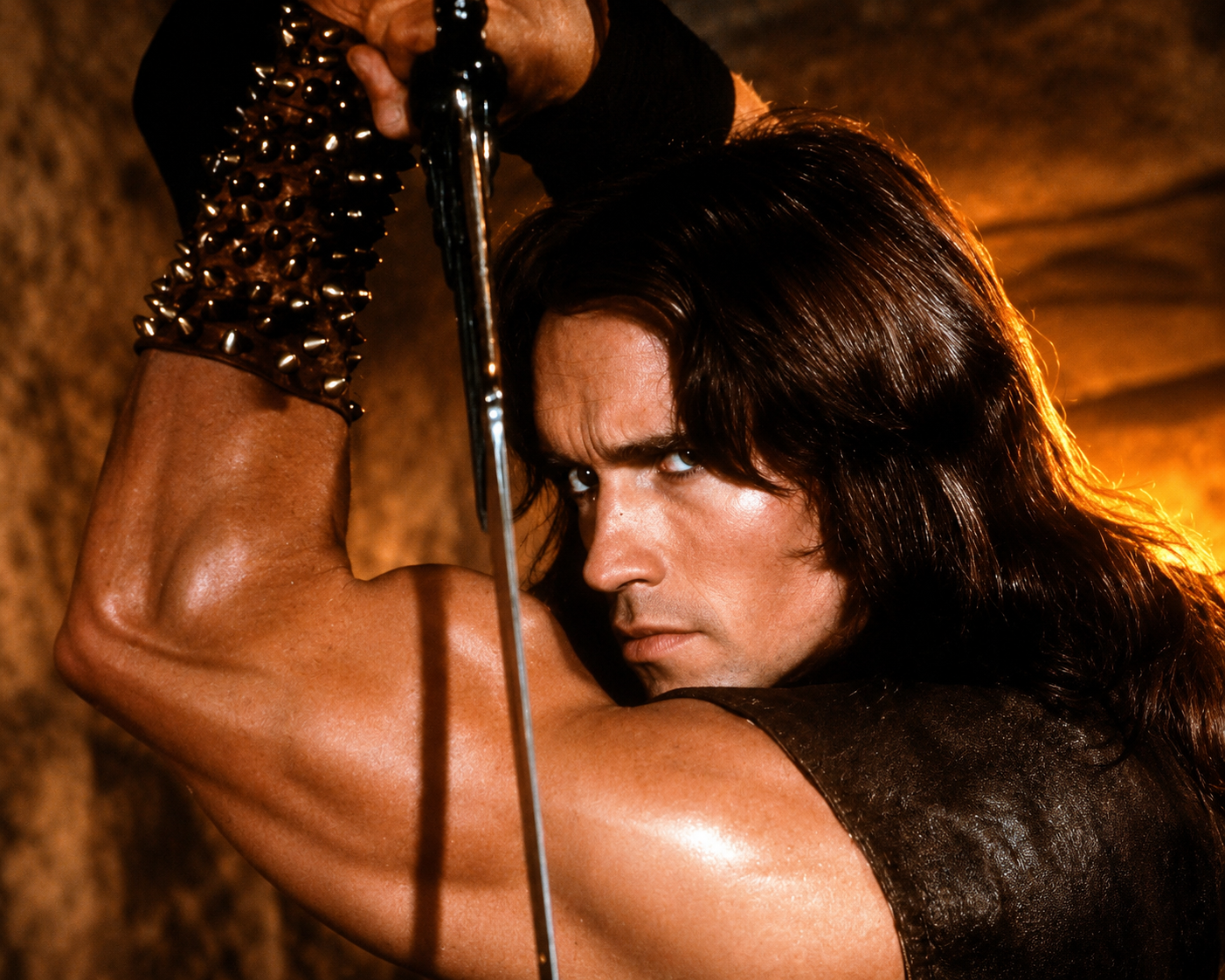
The original Conan the Barbarian, released in 1982, is not subtle cinema. Thank Crom for that.
John Milius made a film of stone, sweat, blood, grief and thunder. Basil Poledouris gave it one of the great fantasy scores, less background music than a funeral procession with war drums. Schwarzenegger, still raw as an actor, was used with ruthless intelligence. He did not need to explain Conan. He needed to embody him.
The film understood the power of silence, ritual and physical presence and gave Schwarzenegger the kind of role that required him to look carved rather than conversational. He was not asked to wink at the audience. He was asked to survive.
Then came Conan the Destroyer in 1984, a lighter, broader, more openly adventurous sequel that has charms. Grace Jones alone gives it a pulse, but it also sanded down some of the first film’s weird severity. The original felt like a myth dug from a grave, while the sequel feels more like a campaign module with a bigger lighting budget.
Since then, Conan on screen has been more cursed than crowned.
A third Schwarzenegger film was talked about for decades. The 2011 reboot with
Jason Momoa tried to restart the legacy but failed to rival the cult-reverence widely felt for its predecessors. Various versions of an older-Conan story floated around under titles like The Legend of Conan, but nothing stuck.
Now it seems like a film about the old king is finally back on the table.
What Is Actually Confirmed?
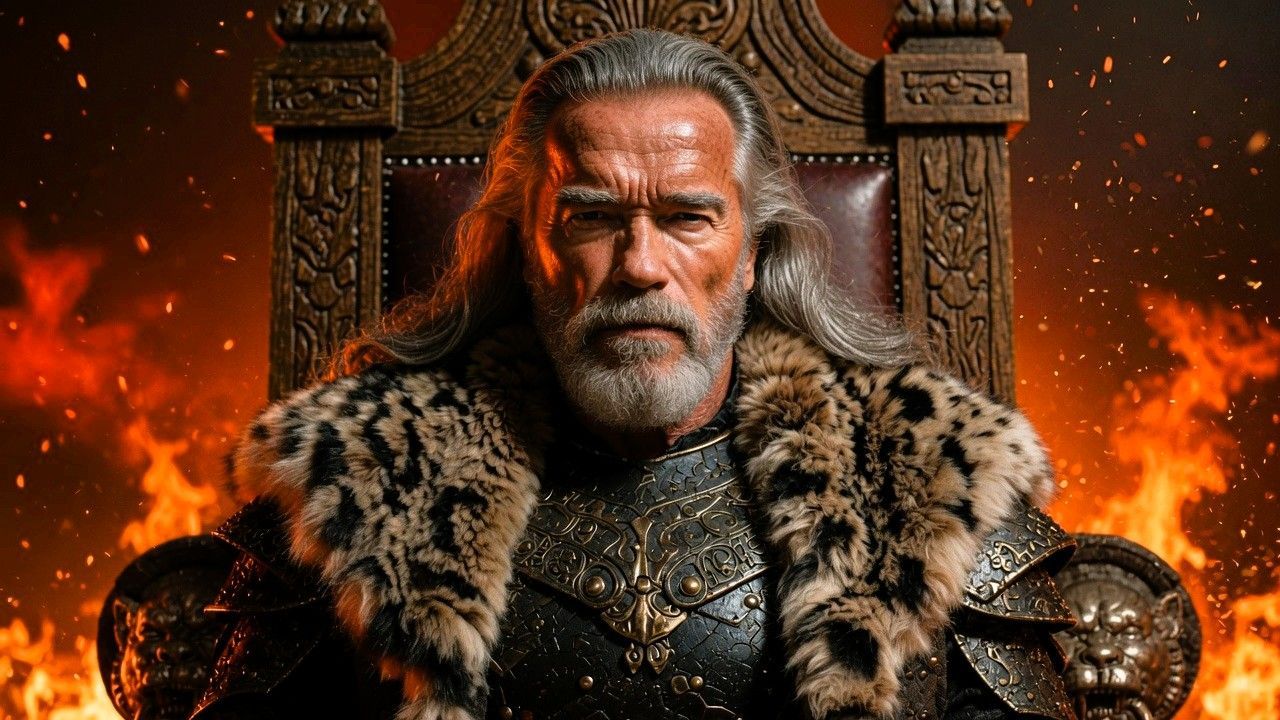
The Legend of Conan is being reported by major Hollywood trades as a new theatrical Conan film in development at 20th Century Studios. Schwarzenegger is attached to return. Christopher McQuarrie is attached to write and direct. Schwarzenegger has described the story as following Conan after around 40 years on the throne, grown complacent, forced out of his kingdom, and pulled back into conflict, violence, magic and monsters.
He has also said the film is expected to shoot in 2027, but that doesn’t mean every detail is locked.
As of mid-2026, there is no publicly confirmed full cast, no release date, no official synopsis beyond Schwarzenegger's own description, no trailer, no poster and no commencement of production announced by 20th Century in the form of a splashy studio press release. More importantly, there is still no real proof that this project has even solved the dilemma every previous Conan revival has faced: can it honour the legacy of the first two films while still holding the attention of a modern audience?
Conan has spent decades surviving on rumours, promises and development limbo. At some point, the hearsay has to become reality.
This time round, we need something tangible, something that we can take to the bank, because The Legend of Conan simply cannot survive on announcement energy alone anymore.
The McQuarrie Factor
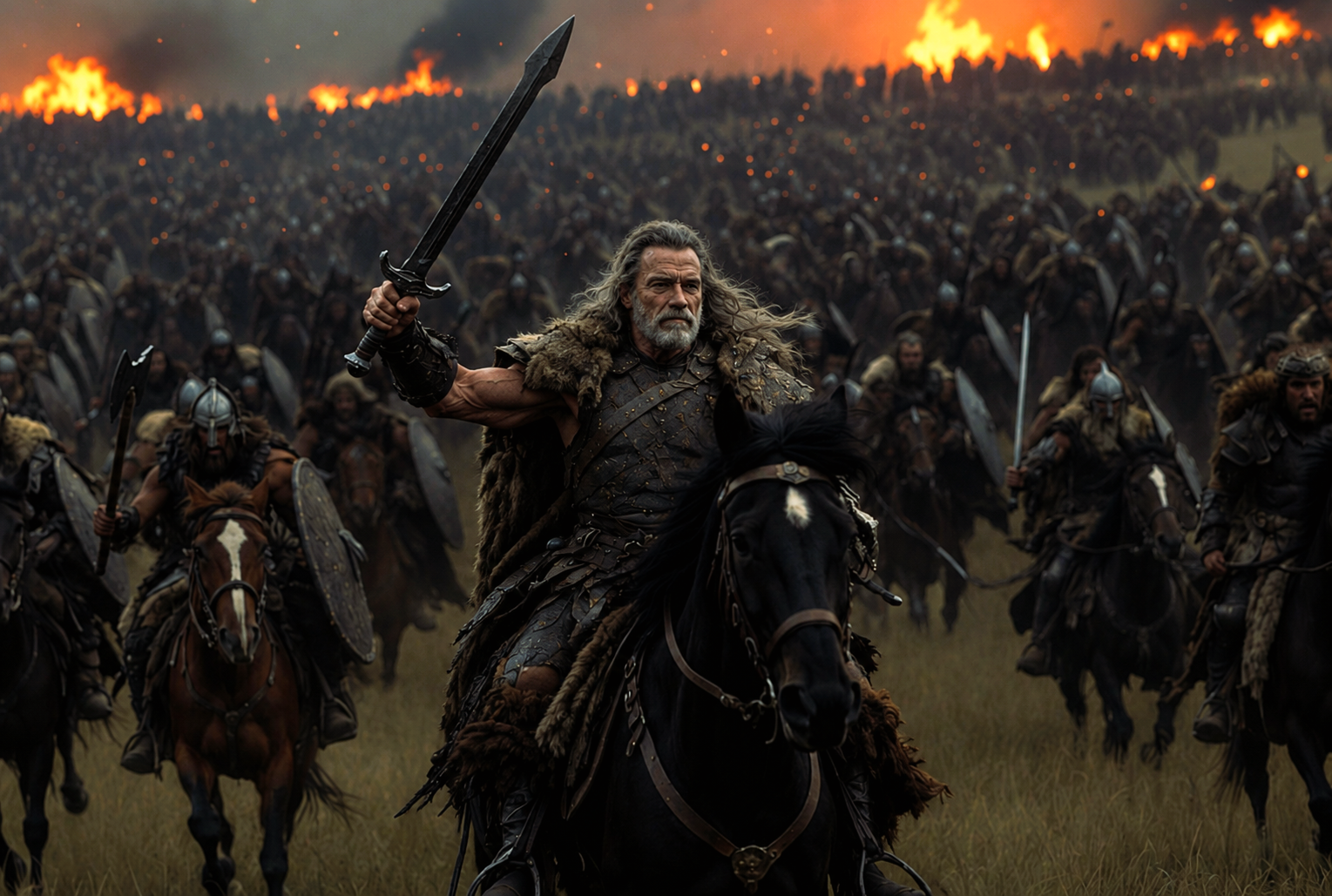
Filmmaker Christopher McQuarrie is an intriguing choice because he is not a fantasy nostalgist by trade. He's a storyteller with an engineer's eye for structure, known for building momentum through clarity and maintaining a strong sense of cause and effect. He understands how bodies move through space, how geography creates tension, and how action scenes are supposed to tell stories rather than merely burning a budget. That kind of filmmaking discipline might prove to be exactly what Conan needs.
Sword-and-sorcery is often treated as a mood board: mountains, torches, great beasts, leather, and the odd snake cult if everyone is feeling frisky enough. But Conan the Barbarian possessed something deeper. Its architecture was emotional as much as visual, built upon mythic foundations that gave every act of violence weight and every triumph a sense of hard-won consequence. Every act of violence had intensity because the world felt ancient and indifferent.
McQuarrie's challenge isn't merely to stage battles, but to turn age into something cinematic.
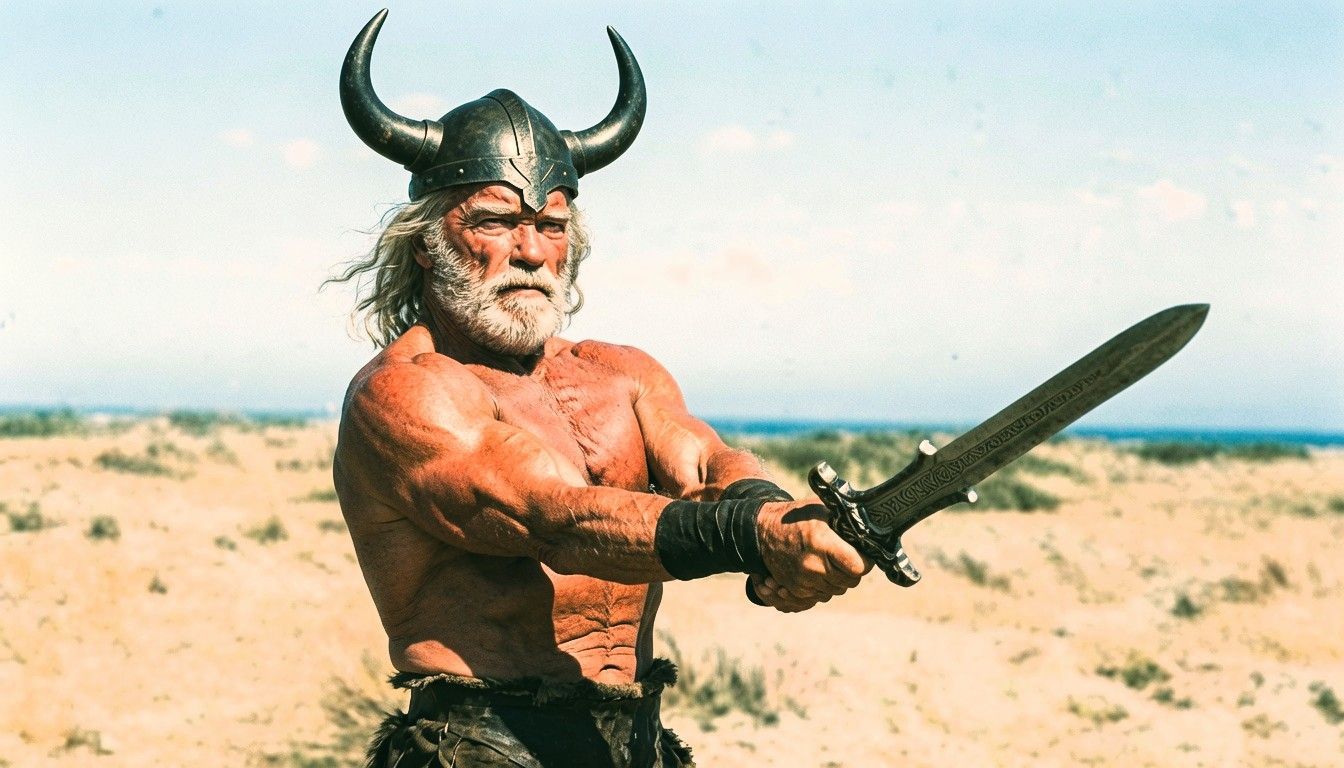
An older Conan should not move like a superhero in a fur loincloth. He should move like a man carrying every victory in his joints. The sword should look heavier. The throne should look poisonous. The body that once conquered kingdoms should now be part weapon, part ruin, part monument.
That is where the film could truly distinguish itself.
Arnold’s Late-Career Problem
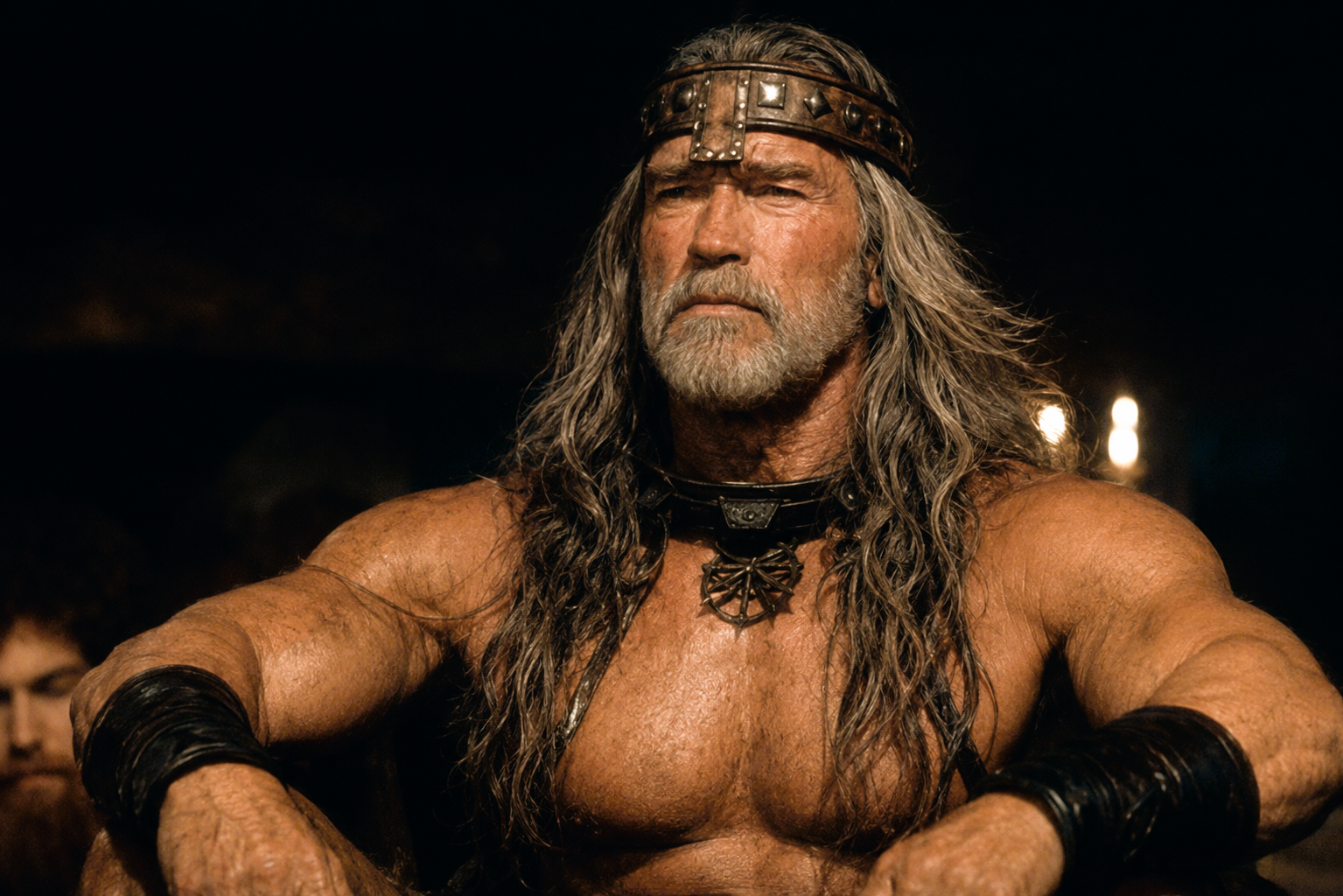
Schwarzenegger has spent years trying to negotiate with his own legendary status; something that is far harder than it might look.
He has returned to Terminator. He has played variations on the ageing hard man. He has leaned into comedy, streaming action, family fare, self-parody and elder-statesman charm. Some of it works. Some of it feels like a monument trying to find a room big enough to stand in.
Conan might be different because age is not an obstacle to the concept. It is the concept.
A 78-year-old Schwarzenegger cannot play the young Cimmerian from 1982, and nor should he try.
The only honest version of this film is the one that makes the years visible. Not hidden under digital polish or explained away with fantasy nonsense. It needs to be visible.
That is the difference between a legacy sequel and a reckoning. The pull is not simply "Arnold is Conan again," but the prospect of seeing how Conan survived long enough to become the very thing he once would have distrusted: a king. A ruler. A symbol. Maybe even a relic.
That is rich ground, if the film has the courage to dig into it.
The Fantasy Landscape Has Changed
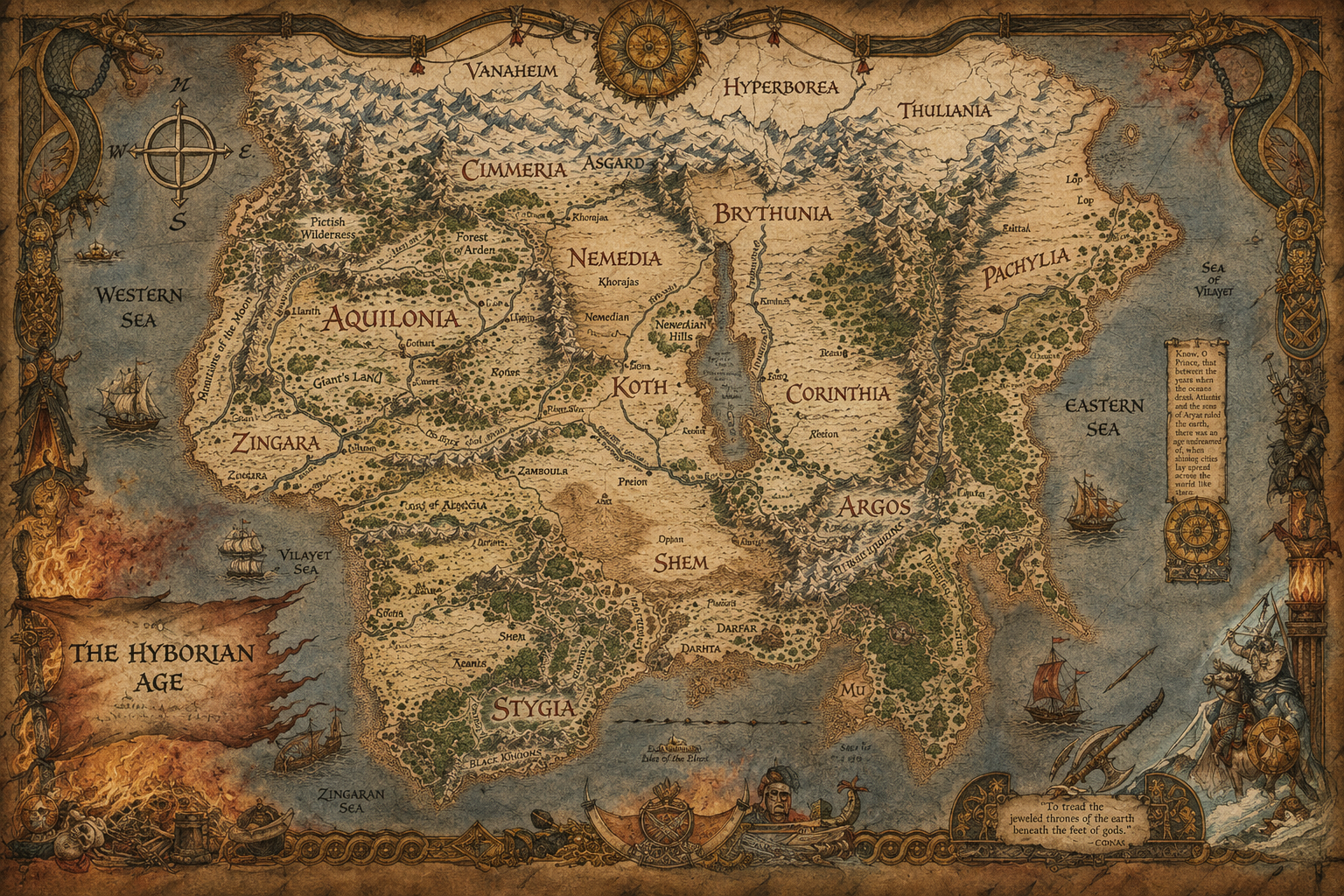
The world into which The Legend of Conan will arrive is not the world that birthed the original films.
Fantasy is no longer a fringe cinematic language. It has been industrialised. Prestige television has mined it and the streaming platforms have inflated it. Superhero cinema borrowed its chosen-one structures and mythic imagery until half the multiplex started looking like concept art for a siege. Audiences are fluent now.
They know the difference between a lived-in world and a screensaver with swords.
That puts pressure on The Legend of Conan. It cannot simply point at old posters and expect applause. It has to justify why Conan matters now, in a market full of expensive worlds fighting for attention.
The answer may lie in going smaller emotionally, even if the battles are large.
Conan was never interesting because he was complicated in the modern prestige-TV sense. He was interesting because he was elemental. Hunger, rage, survival, loyalty, revenge, freedom. Simple forces. Brutal forces. The older version should not become chatty and introspective just because the actor has aged. But he can become haunted. This difference is key.
The Risk of Reverence
The worst version of
The Legend of Conan is easy to imagine.
Endless callbacks. Over-polished digital kingdoms. A few recycled lines. A reverent shot of the sword. Maybe a tired joke about being too old for this. A climax where Conan somehow fights like it is still 1982 and everyone politely pretends not to notice. Such a film would not only die in the saddle; it would be crucified upon the Tree of Woe by its critics.
The better version understands that Conan does not need to be softened. He needs to be tested.
What does power do to a barbarian? And what does comfort do to a survivor?
What happens when the man who once hacked his way through tyrants becomes the old order someone else wants to overthrow?
That is the thematic engine here. Not nostalgia alone, but consequence.
If the film leans into that, the age of its star becomes an asset. The wrinkles become world-building, the slower movement becomes history written into the flesh, and the violence itself takes on a quality beyond spectacle, becoming less about action and more about memory.
The Crown Is the Curse
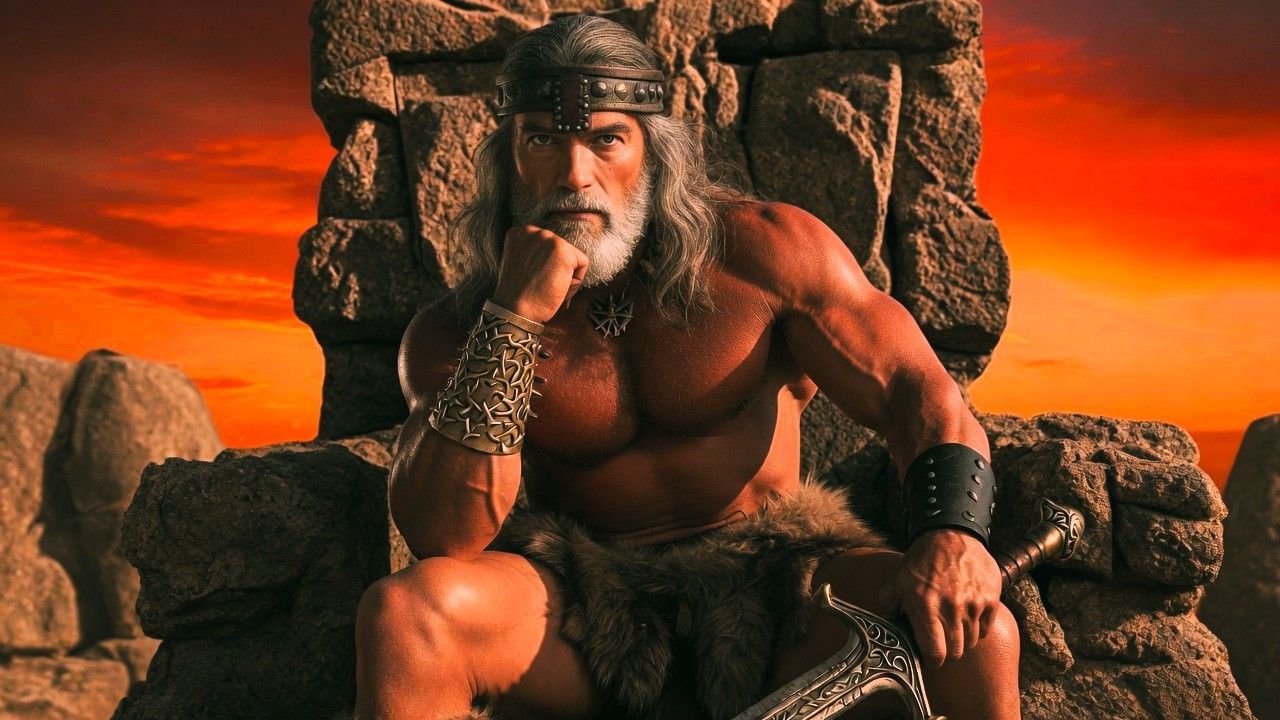
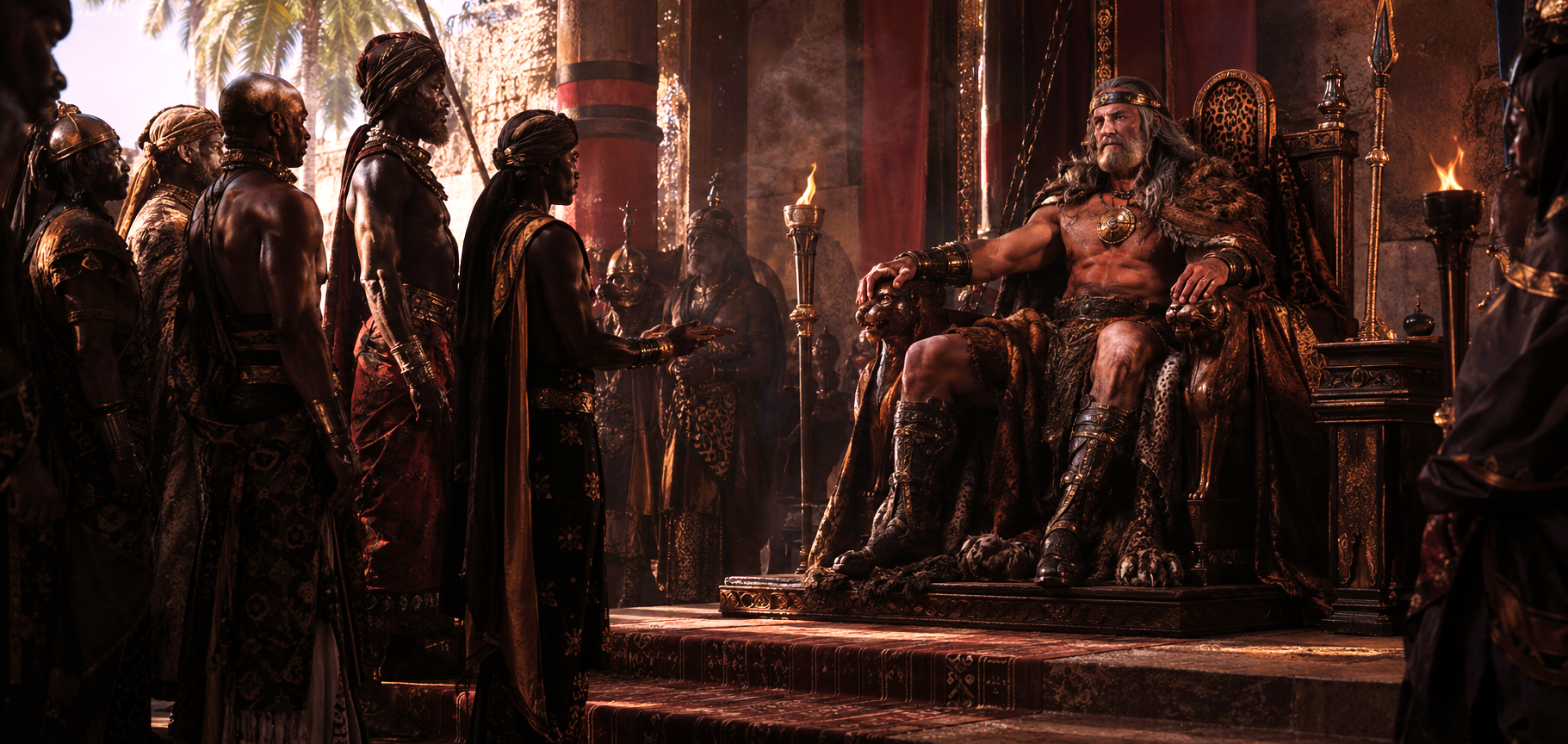
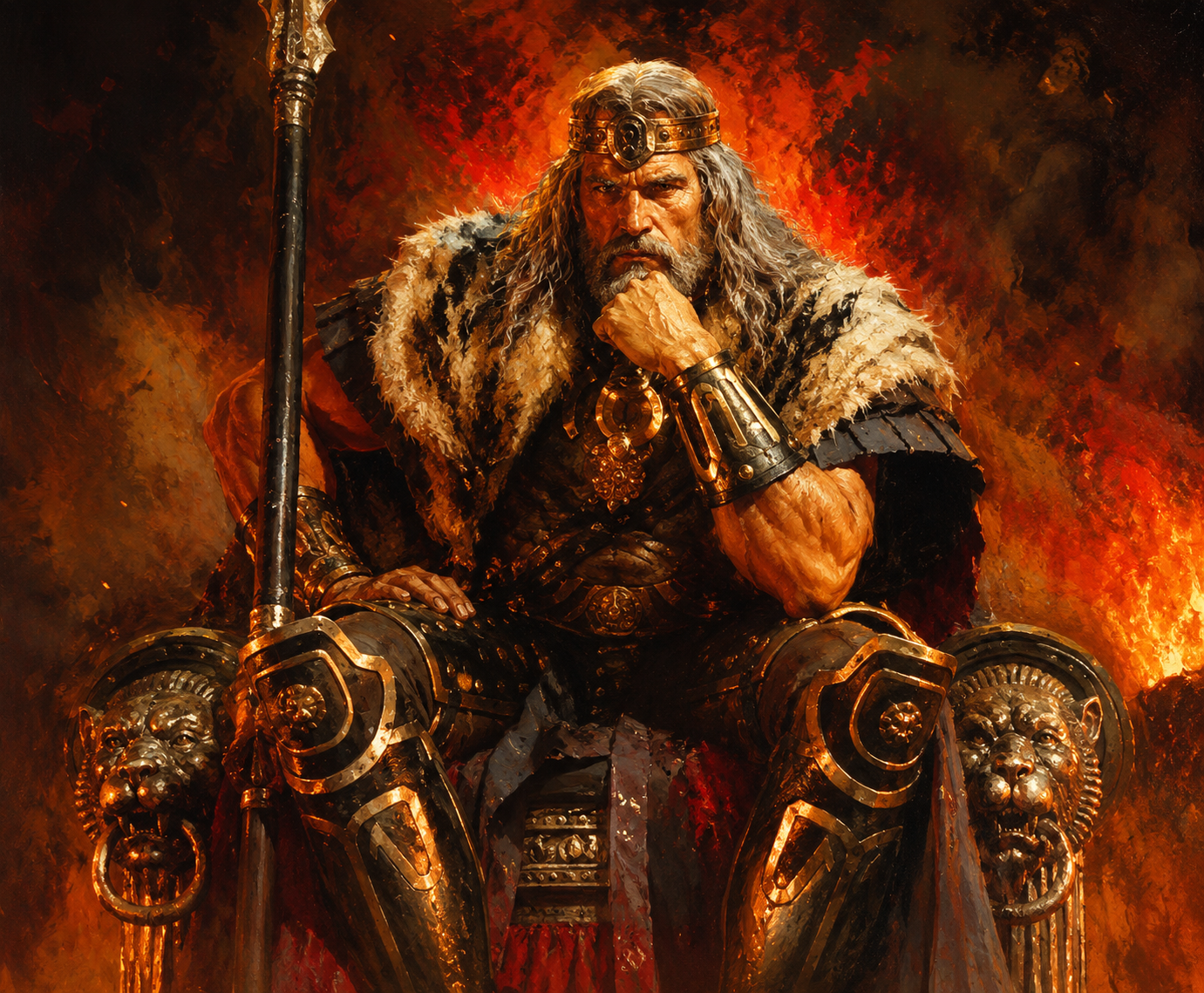
There is a reason the image of Conan on a throne has always lingered.
The barbarian king is a contradiction with a pulse. A man born outside civilisation forced to sit at its centre. A blade turned into an institution. A wanderer trapped beneath a crown.
Schwarzenegger’s return only matters if The Legend of Conan understands that the throne is not a prize, but another trap. Perhaps the greatest one of all.
The young Conan wanted vengeance, survival and freedom. The old Conan has territory, responsibility, enemies and a legacy. He has subjects. He has lived through failure and tragedy. He has too much to lose and, perhaps most troubling of all, not enough left to prove.
That is where the film can earn its place beside the original rather than merely standing in its shadow.
The Sword Still Has to Cut
None of this means The Legend of Conan should become a sombre chamber piece about governance with occasional axes.
It still needs the monsters. It still needs blood. It still needs strange gods, black magic and impossible landscapes, along with the sense that the Hyborian Age is older, nastier and less forgiving than anyone on screen can fully understand.
That was always central to Robert E. Howard's vision. His world was never high fantasy in the modern sense, but something darker and stranger, populated by forgotten civilisations, cosmic horrors and forces that dwarfed mankind itself. Whatever shape The Legend of Conan ultimately takes, it should honour that spirit, because long before Arnold Schwarzenegger picked up the sword, Howard understood that Conan was at his most compelling when surrounded by a world that felt ancient, hostile and utterly indifferent to his existence.
The original film’s power came from its belief in myth. Not lore. Myth. There is a difference. Lore explains. Myth scars. That is the level The Legend of Conan has to reach for.
As of now, the project remains promising rather than proven. The pieces are compelling: Schwarzenegger returning at the right age for the right version of the character, McQuarrie bringing action discipline, and a premise that could finally give Arnold the late-career mythic reckoning Hollywood has tried and failed to hand him elsewhere.
But potential is cheap.
The crown is heavy.
The sword is heavier.
If The Legend of Conan is going to matter, it cannot simply resurrect the barbarian. It has to ask what the barbarian became after he won.
That is the film worth making.
The Legend of Conan remains shrouded in mystery, with no trailer or official release date yet in sight, but if you want to explore what little has emerged so far, the project's IMDb page provides the most tangible glimpse of what may yet lie ahead for the old Cimmerian.
Information in this article was sourced from reporting by Deadline, Variety, The Hollywood Reporter and other reputable entertainment industry outlets, alongside public comments and interviews given by Arnold Schwarzenegger and members of the creative team.