
RoboCop Returns: Why Television Could Finally Get It Right
RoboCop Returns. Can Television Finally Unlock the Franchise's Potential?
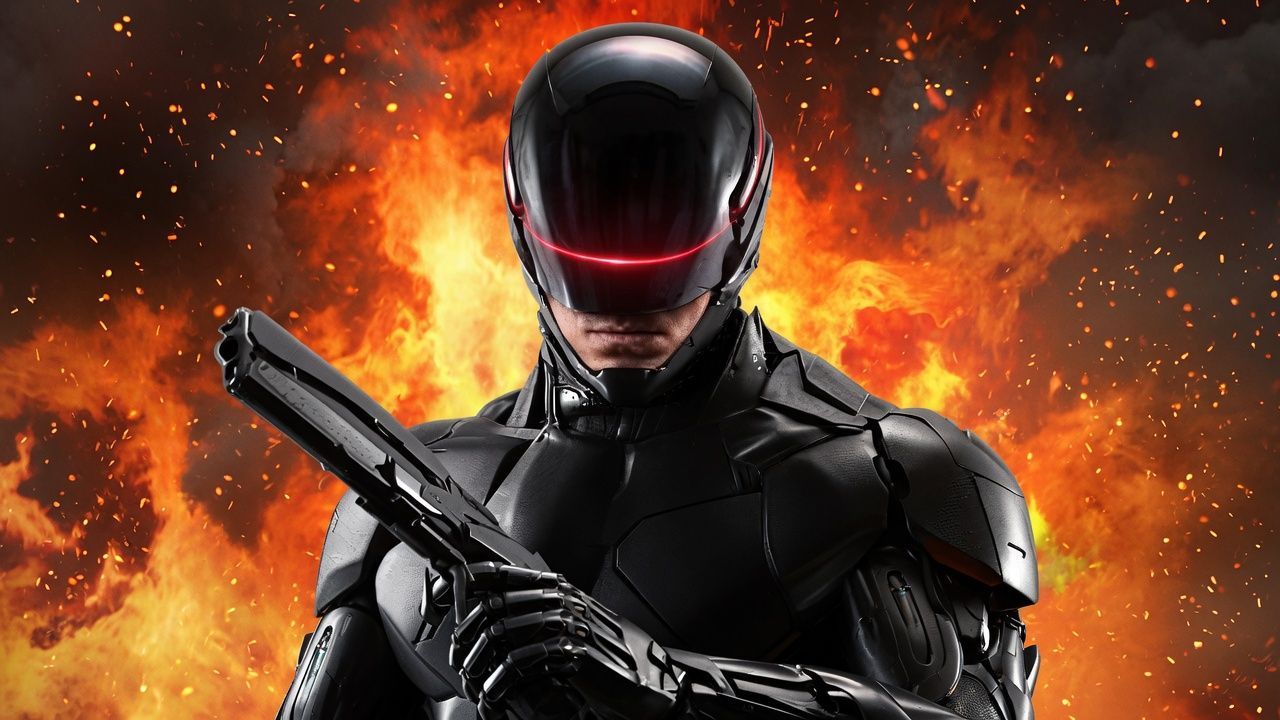
There was a time when another RoboCop revival would have prompted little more than a weary shrug. Over the past three decades, the franchise has been attached to sequels, reboots, legacy continuations and abandoned projects, many of which generated headlines before quietly disappearing into development limbo. The announcement that Amazon MGM Studios has officially committed to a new RoboCop television series therefore lands a little differently. It feels less like another attempt to revive a familiar brand and more like an opportunity to reconsider what made the original worth revisiting in the first place.
That opportunity owes as much to the medium as it does to the character. RoboCop has always been larger than the confines of a conventional action film. Beneath the armour, the gunfire and the unforgettable one-liners sat a richly imagined world of corporate ambition, political corruption, urban decay and uneasy questions about where humanity ends and technology begins. Those ideas rarely had room to breathe within the limits of a two-hour feature. A television series, by contrast, offers the time and space to explore them properly.
Whether the new production ultimately fulfils that promise remains to be seen. For now, the announcement is significant not because RoboCop is returning, but because it may finally have found the storytelling format that has eluded it since 1987.
More Than Just Another Reboot
Amazon MGM Studios has formally moved the long-developing project into active production, continuing the company's wider effort to revitalise some of MGM's most recognisable properties following its acquisition of the historic studio. Peter Ocko, whose previous credits include Lodge 49, The Leftovers and Pushing Daisies, is attached as writer, executive producer and showrunner. James Wan, meanwhile, serves as executive producer through his Atomic Monster banner alongside Michael Clear and Rob Hackett.
Beyond those creative appointments, Amazon has revealed remarkably little. No cast has been announced, no footage has been released and no production timetable has been officially confirmed. Reports suggesting that Wan may direct episodes have circulated in industry circles, but Amazon MGM Studios has not publicly confirmed those claims.
That restraint is refreshing. In an era where projects are often dissected long before cameras begin rolling, Amazon appears content to establish the creative foundations before inviting audiences to speculate about everything else.
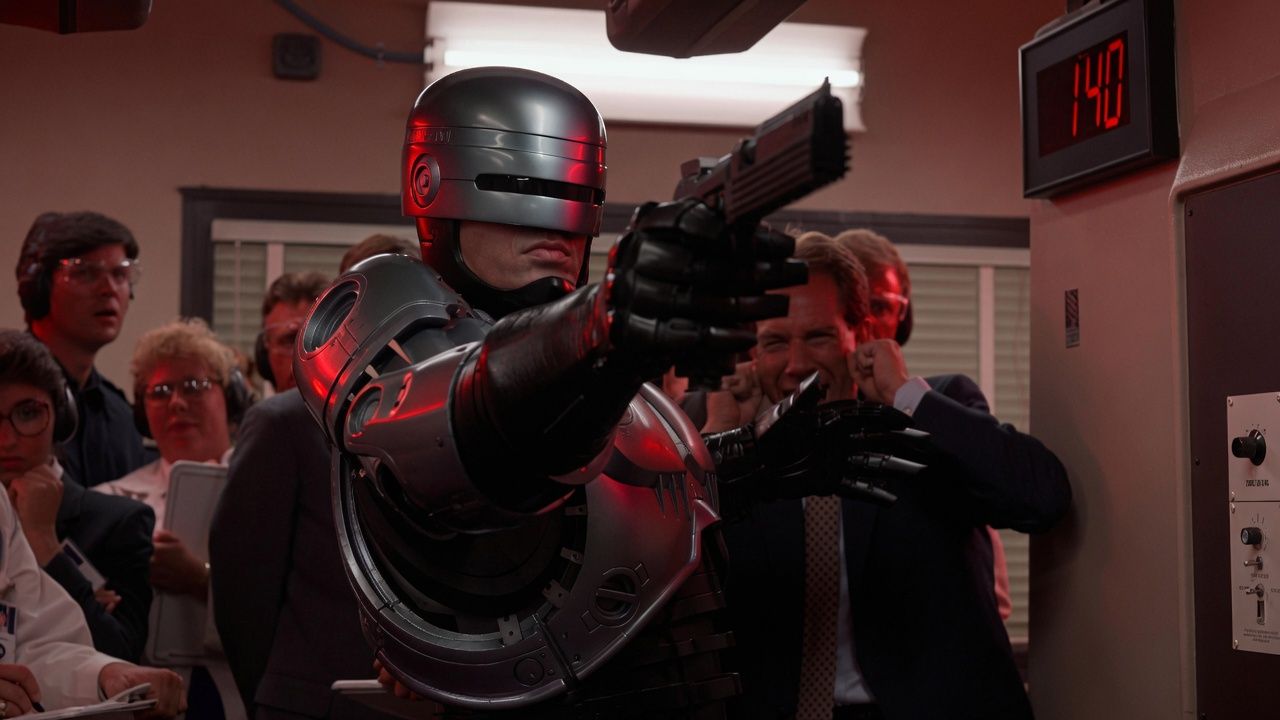
Paul Verhoeven's original RoboCop arrived in 1987 disguised as a violent science-fiction action film. It certainly delivered on that promise, but its staying power has always come from something deeper.
Working from a screenplay by Edward Neumeier and Michael Miner, Verhoeven constructed a razor-sharp satire of corporate America, privatisation, sensationalist media and the increasingly uneasy relationship between profit and public service. Detroit wasn't simply the backdrop for Alex Murphy's transformation; it was a city being hollowed out by commercial interests that viewed policing, healthcare and even human life as assets on a balance sheet.
Omni Consumer Products remains one of cinema's most memorable fictional corporations precisely because it never behaved like a comic-book villain. It operated with the polished confidence of a boardroom convinced that efficiency justified every moral compromise. Murphy's brutal death and mechanised resurrection were not accidents of science fiction but logical consequences of a world where commercial value consistently outweighed individual dignity.
That social commentary is what has allowed RoboCop to outlive many of its contemporaries. The film entertained audiences with explosive action and unforgettable visual design, yet it endured because it examined institutions that still feel strikingly familiar decades later.
Why Television Changes Everything
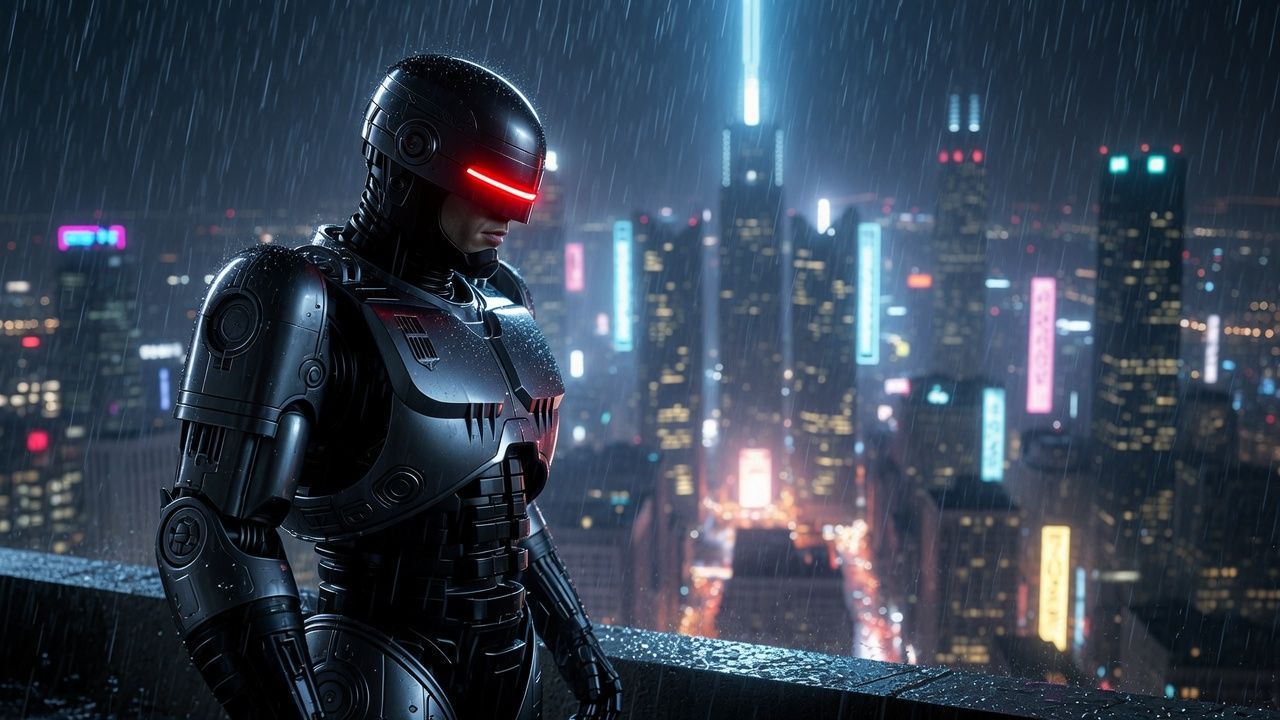
This is where the new series becomes genuinely intriguing.
Feature films, almost by necessity, tend to focus on momentum. A mystery must be solved, a villain defeated and a climax reached before the credits roll. Television operates under a very different rhythm. With eight or more hours to tell a story, characters can evolve gradually, institutions can be explored from multiple perspectives and ethical questions can unfold without constantly giving way to action. For RoboCop, that distinction matters.
A television series has room to examine the machinery surrounding Murphy as much as the man himself. Omni Consumer Products can become more than a shadowy corporation issuing orders from glass offices. Detroit itself can emerge as a living city rather than simply another dystopian backdrop. Police officers, executives, politicians and ordinary citizens can all occupy the same narrative, revealing how each experiences a society increasingly shaped by technology and corporate influence.
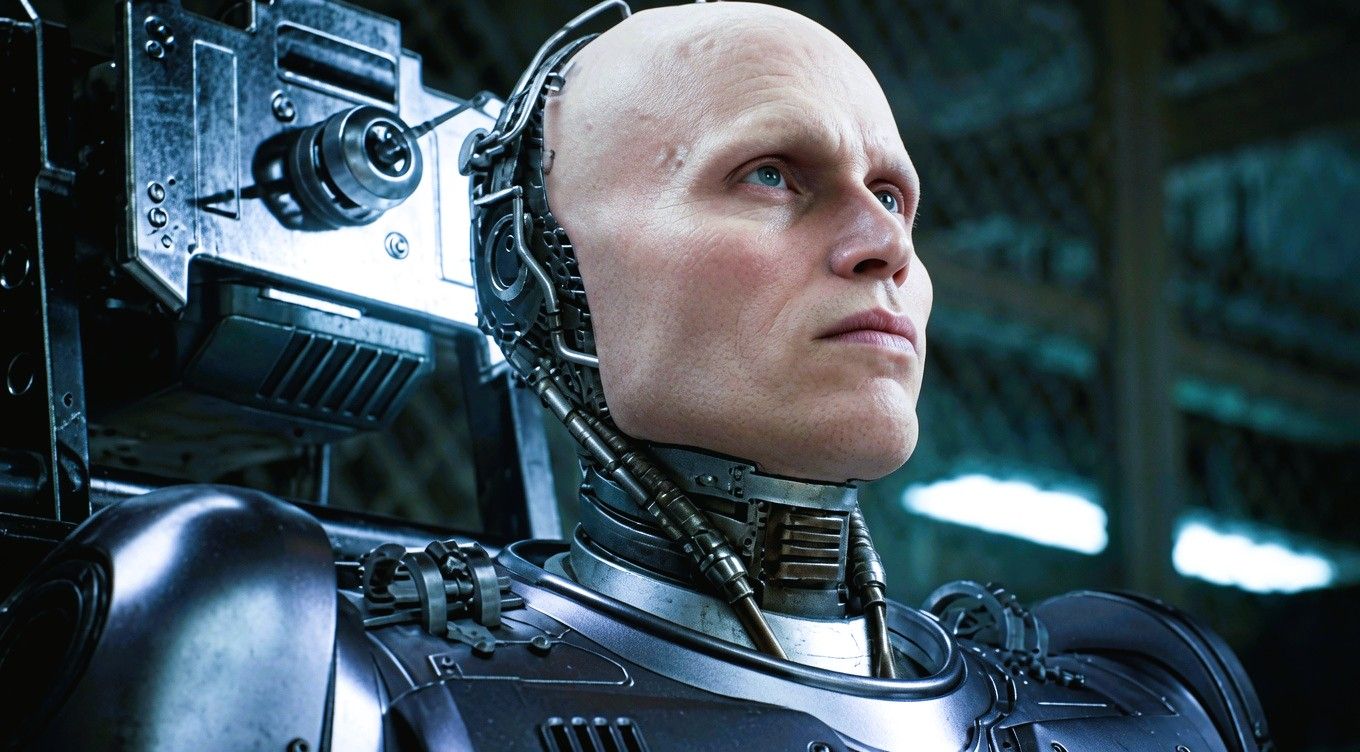
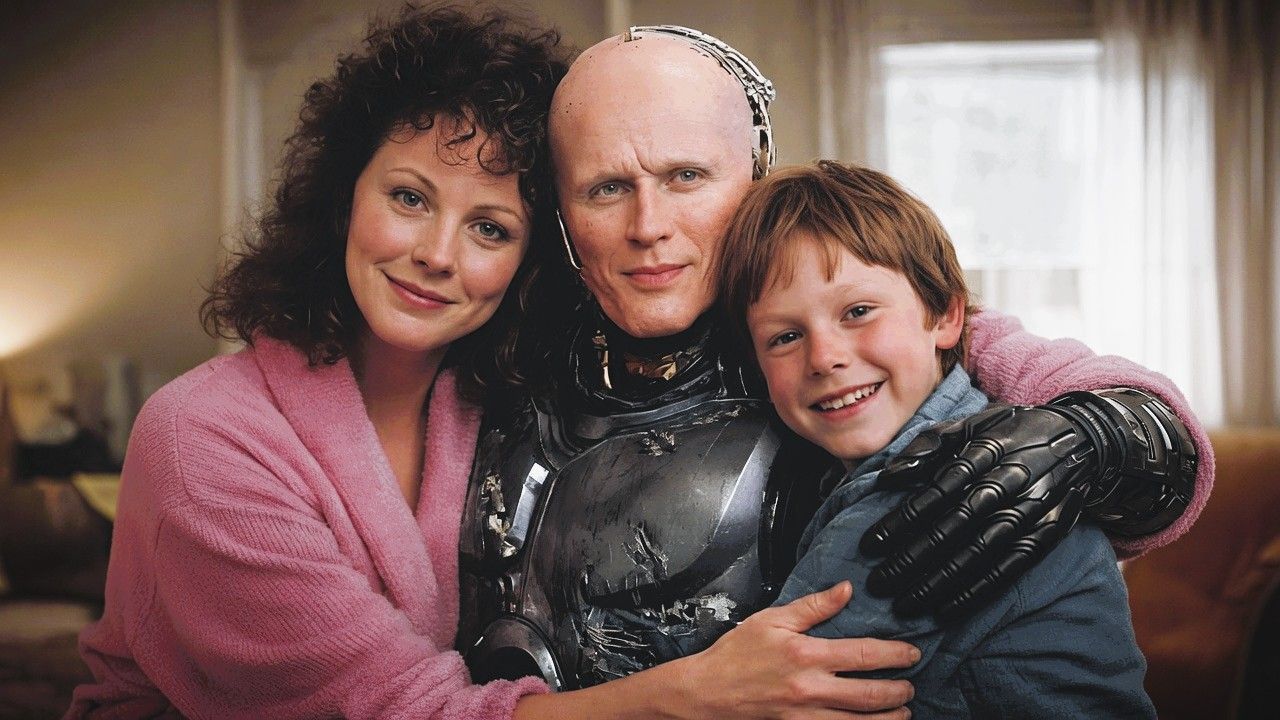
Murphy's own struggle also benefits from a longer format. His identity has always been central to the franchise. Beneath the armour sits a husband, a father and a police officer whose memories refuse to disappear simply because a corporation has rewritten his body. That internal conflict has often been compressed into brief moments between action sequences. Television offers the possibility of treating it as the emotional spine of the entire story rather than an occasional reminder that a machine still contains a man.
If the creative team embraces that potential, the new series could become something far more ambitious than another revival of a familiar property. It could finally give RoboCop the narrative space that its ideas have always deserved.
A Future That Finally Looks Familiar
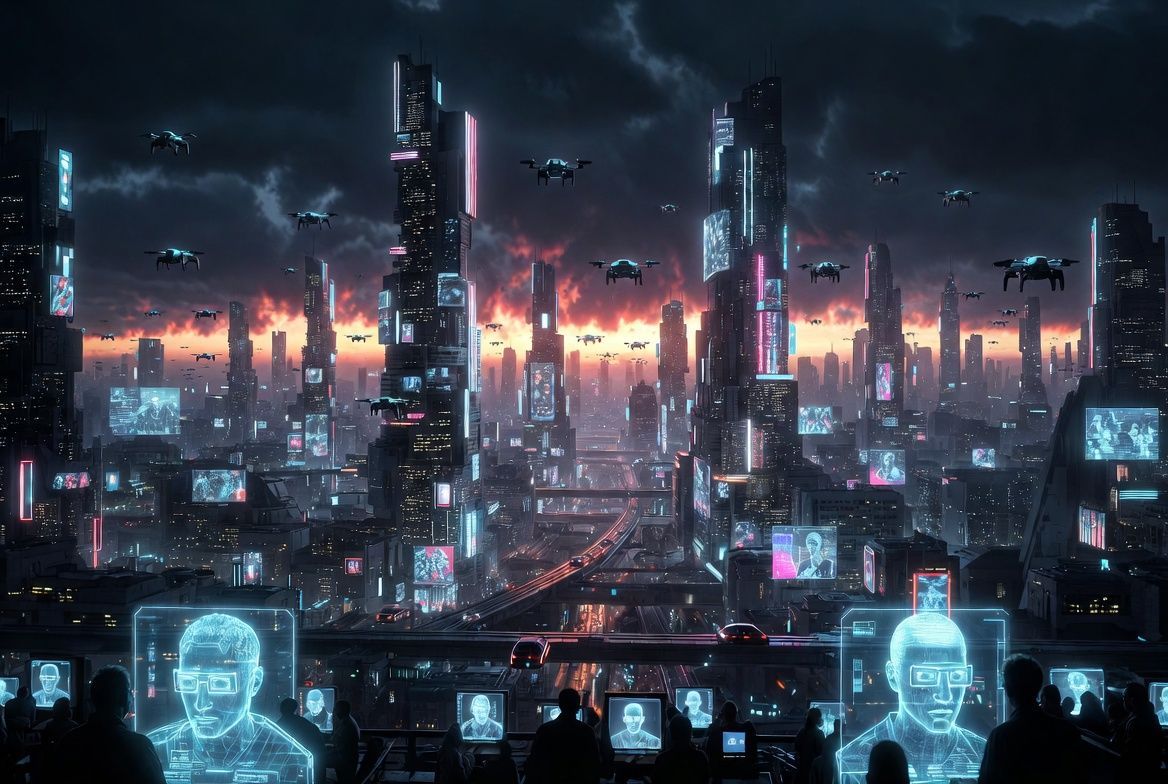
One of the most remarkable qualities of RoboCop is that it never really felt interested in predicting the future. Paul Verhoeven's film wasn't attempting to forecast the next forty years of technological development with scientific precision. Instead, it exaggerated the anxieties of its own time, then asked audiences what might happen if those trends were allowed to continue unchecked. Looking back, some of those questions feel surprisingly contemporary.
The influence of powerful corporations over public life, the increasing role of automation, the growth of surveillance technology, and the uneasy relationship between security and personal freedom all remain subjects of public debate. The details may have evolved, but many of the underlying concerns have endured.
What perhaps feels even more striking in 2026 is that we are living through the dawn of the AI era. Artificial intelligence has moved beyond the pages of science fiction and into everyday life with remarkable speed, becoming part of how we work, communicate, create and solve problems. Every month seems to bring another breakthrough, another ethical debate, and another reminder that technology rarely pauses to wait for humanity's conscience to catch up. It is difficult not to view RoboCop through that lens.
While artificial intelligence itself was never the central focus of the original film, the questions it asked about humanity existing alongside increasingly sophisticated technology feel more relevant than ever. Alex Murphy is, in many respects, the ultimate intersection between man and machine. His body becomes synthetic, yet his memories, emotions and conscience stubbornly refuse to disappear. The conflict at the heart of RoboCop has never simply been technological, it has always been profoundly human.
Dead or Alive, The Expectations Are Enormous

RoboCop has never entirely disappeared from popular culture, but neither has it managed to recapture the singular impact of Verhoeven's original film. RoboCop 2 expanded the universe with moments of genuine imagination, while RoboCop 3 took the series in a noticeably different direction. The 2014 remake approached the theme from a more contemporary perspective and introduced thoughtful ideas of its own, yet somehow, it struggled to cast the same cultural shadow as its predecessor.
None of those productions were without merit. Each found supporters, each attempted to reinterpret the mythology in its own way, and each reflected the era in which it was made. Yet the original remains the point of reference because it achieved something unusually difficult. It entertained broad audiences while simultaneously offering sharp social commentary, trusting viewers to recognise the satire beneath the spectacle.
Fortunately, the advantage of television is not simply a longer running time, but greater narrative freedom. Complex ideas no longer have to compete for space alongside action sequences, allowing characters and ethical questions to develop with far greater depth. If Amazon MGM approaches the project with patience rather than urgency, the series may finally be able to explore the wider world that has always existed beyond Murphy's visor.
Murphy Still Matters
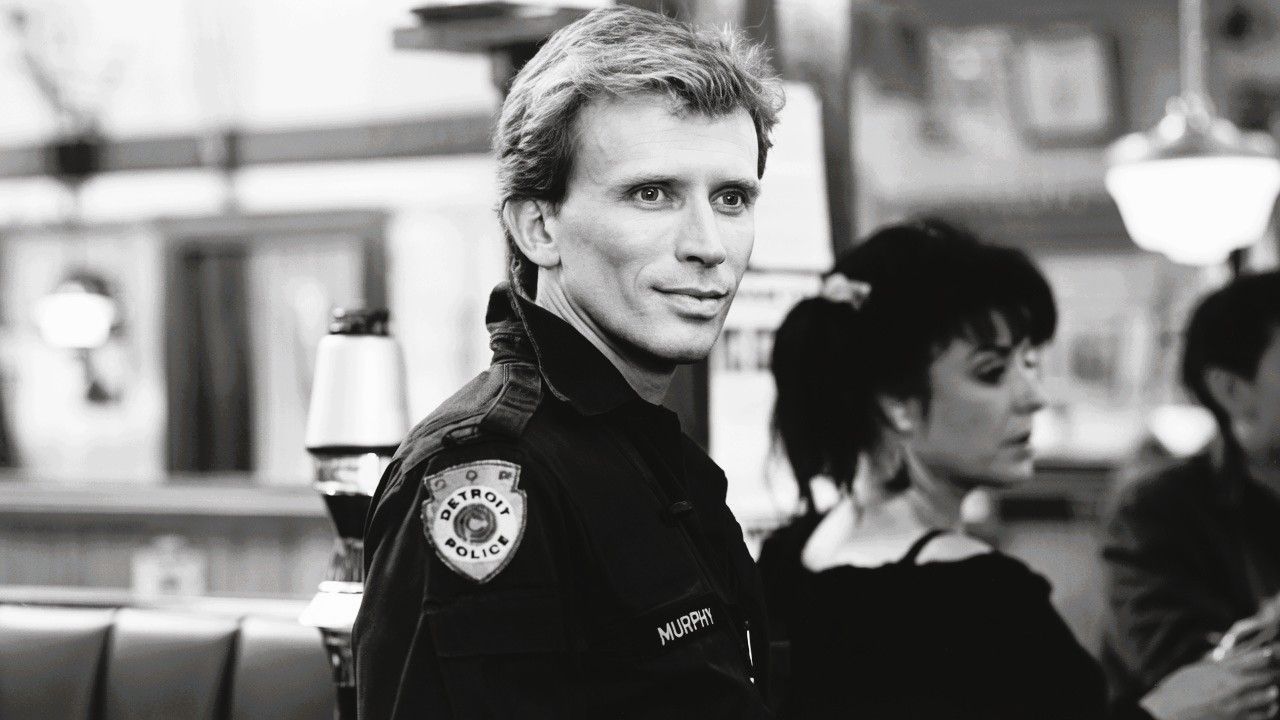
For all the discussions surrounding artificial intelligence, corporate power and futuristic technology, RoboCop has always been anchored by something much simpler. Alex Murphy.
Long before he became an iconic silhouette with a gleaming visor and an Auto-9 pistol, he was a husband, a father and a police officer trying to do the right thing in a city that had become increasingly difficult to protect. The armour made him memorable, but it was Murphy's persistence, his compassion and his refusal to surrender his identity that made him worth caring about. That remains the franchise's greatest strength.
Technology may continue to evolve. The visual effects will undoubtedly become more sophisticated. Detroit itself may look very different from the city audiences first encountered in 1987. Yet none of those elements will matter if the audience loses sight of the man beneath the machine.
The most successful version of RoboCop has never been about a perfect cyborg. It’s about an imperfect human being refusing to disappear.
The Future Is Waiting
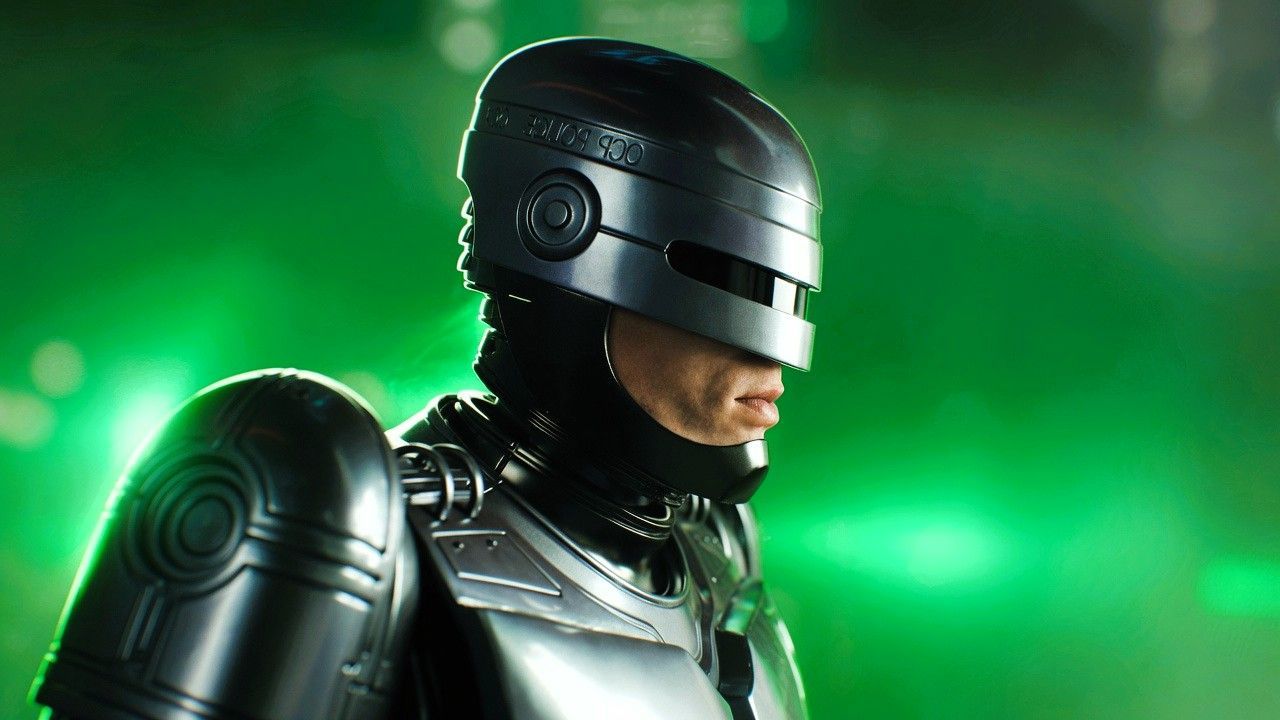
Nearly four decades after RoboCop first arrived in cinemas, the world has changed in ways that once belonged firmly to speculative fiction. Artificial intelligence has entered everyday conversation, automation continues to reshape entire industries, and technology increasingly influences how societies function and how individuals relate to one another. The questions that once felt futuristic now feel remarkably immediate. Perhaps that is why this television series arrives at such an interesting moment.
If it remembers that RoboCop was always about more than a police officer in advanced armour, and approaches humanity, technology and corporate power with the same intelligence and dark humour that defined Verhoeven's original, the series has a genuine chance to succeed where previous revivals fell short. It won't simply resurrect a familiar franchise; it will remind us why RoboCop has remained relevant for almost forty years.
This feature draws upon official information released by Amazon MGM Studios, together with reporting from established entertainment industry publications including Variety, The Playlist, and other reputable trade outlets covering the announcement of the new RoboCop television series. Historical context relating to the original 1987 film and its subsequent sequels has been cross-referenced against production records, filmmaker interviews, and widely accepted reference material to ensure factual accuracy. Commentary concerning the franchise's continuing relevance reflects editorial analysis informed by the themes explored throughout the RoboCop series and the broader cultural conversation surrounding artificial intelligence, automation and emerging technologies.