
John Carpenter Finally Made a Metal Record... And it Just Happens to Come With a Graphic Novel
John Carpenter Finally Made a Metal Record… And it Just Happens to Come With a Graphic Novel

John Carpenter has spent nearly fifty years accidentally influencing heavy music.
Long before doom bands started embracing analogue synths and before every other horror-themed metal act was borrowing atmosphere from
The Thing or
Halloween, Carpenter was already writing music that felt bigger than the screen it was designed for. A style that intentionally emanates an atmosphere of cold, mechanical, ominous tension.
Now, at
78 years old, he's done something surprisingly straightforward: he's made what he calls his first heavy metal album. And the twist is that it arrives alongside his debut graphic novel. After decades of inspiring everyone from doom bands to synth-metal obsessives, John Carpenter has finally decided to meet heavy music on its own turf. And we couldn’t be happier!
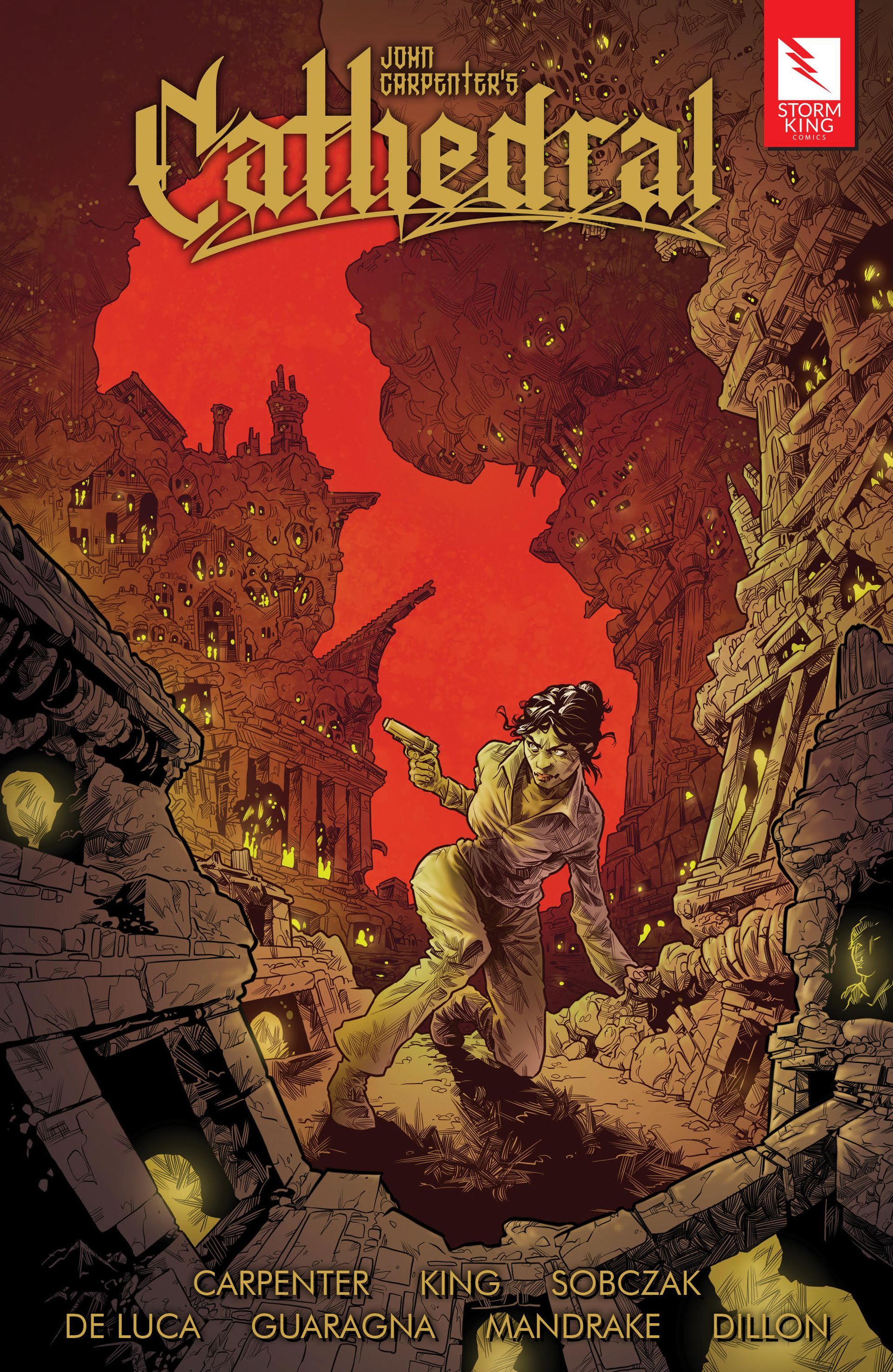
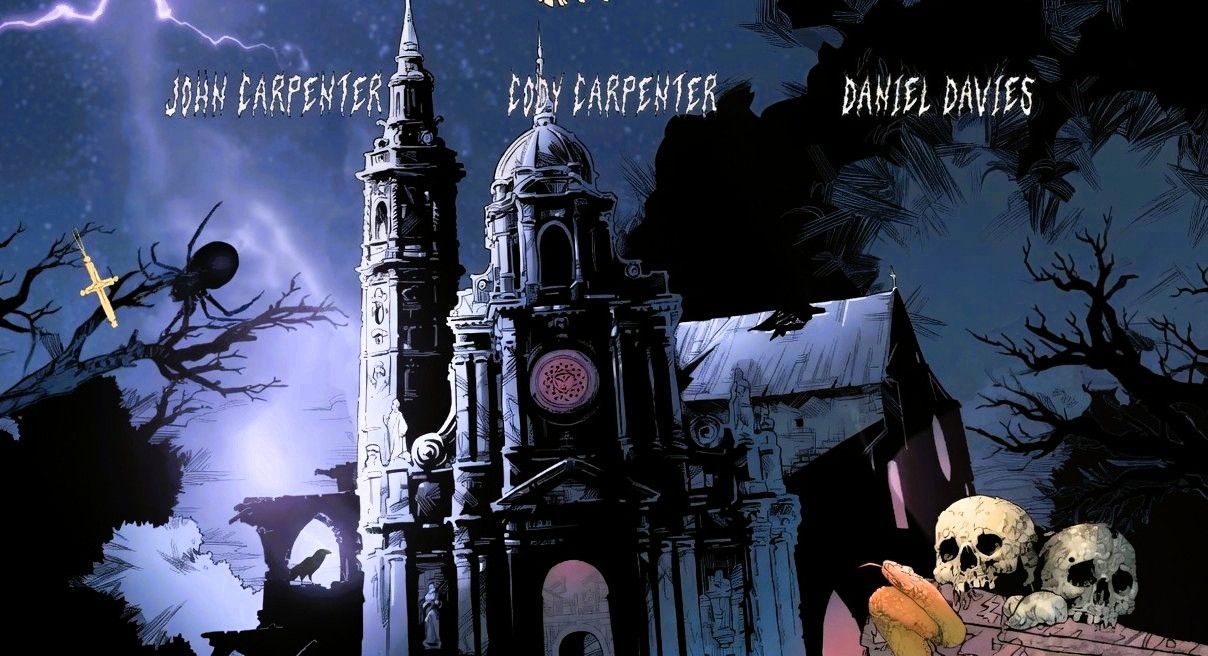
Cathedral lands as a graphic novel through Storm King Comics on August 4, followed by its 14-track companion album via Sacred Bones Records on August 7. Both works were conceived together, developed side by side, and designed to function as a single narrative experience.
Carpenter describes this project as having emerged from a vivid nightmare he experienced in 2024, one so intensely cinematic that it refused to leave him alone. Most artists spend decades trying to turn dreams into stories, but Carpenter built an entire multimedia horror universe out of one!
The Dream That Started It All

The premise is pure Carpenter: An abandoned cathedral in downtown Los Angeles. A murdered police officer. Ancient catacombs beneath the city. Something old waiting in the dark.
The story follows Lt. Christine Marks alongside detectives Paul Hernandez and Steve Mayfield as an investigation spirals downward, both literally and metaphorically, toward a supernatural evil hidden beneath a forgotten church. Carpenter developed the graphic novel with longtime collaborator Sandy King and writer Sean Sobczak, while artists Federico De Luca and Luis Guaragna bring the nightmare to life on its pages.
What's interesting isn't merely the setup so much as the way in which Carpenter has spent decades telling stories about institutions colliding with forces they barely understand. Police stations. Antarctic research bases. Small-town America. Entire cities…
Cathedral slots naturally into that lineage.
The difference is that this time the story wasn't built around a screenplay. It was built around music.
According to Carpenter, the dream was so vivid that his first instinct wasn't to turn it into a film. "I thought, 'I have to score this.'" In many ways, that's the most John Carpenter response imaginable.
Riffs From the Catacombs
For years, the Lost Themes records operated as scores for films that didn't exist. But Cathedral now changes that formula. This time there actually is a story and every track corresponds to a chapter or section of the graphic novel, with liner notes guiding listeners through the narrative.
Yet Carpenter has repeatedly stressed that the music must stand on its own. "Put this thing on and imagine you're watching a movie," he says. "That's what we want you to do." And that distinction matters. Too many multimedia projects feel like homework, skip one piece of the puzzle and you're only getting half the story.
Everything being said about Cathedral suggests Carpenter and company are aiming for the opposite. The novel expands the album. The album expands the novel. Neither is supposed to depend entirely on the other, and that's a much harder stunt to pull off.
And musically, there are signs this won't simply be another entry in the Lost Themes catalogue. Carpenter himself has been unusually direct. "It's kind of our first heavy metal album." Coming from a man who rarely indulges in hyperbole, we believe him!
Daniel Davies Has Been Steering Toward This Moment for Years
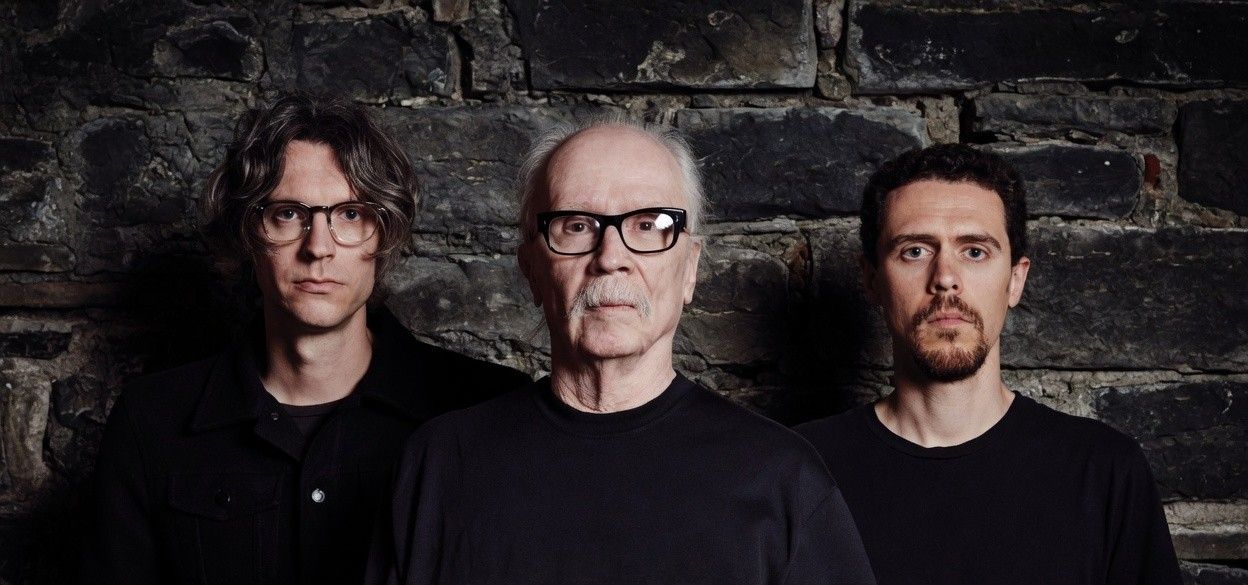
A huge part of that shift appears to come from Daniel Davies. While Carpenter's name understandably dominates headlines, Davies has become an essential ingredient in the modern Carpenter sound. His guitar work has increasingly pushed the trio's music away from pure synth territory and toward something more rugged.
Davies himself has said of the project that the musical direction has been solely dictated by the story. "The story informed everything," he said. "John would describe a scene and say, 'We need a heavy riff here.' We didn't set out to make a metal record, but it evolved that way."
That may be the most encouraging quote attached to this project, because it suggests the heaviness serves the narrative. Metal is at its best when it serves the story, adding weight and force where atmosphere alone can no longer carry the load.
The idea of Carpenter calling for heavy riffs to match specific scenes feels less like a flirtation with metal and more like a filmmaker applying the same instincts through a different medium. The tools might have changed, but the intent hasn't.
What "Lord of the Underground" Tells Us
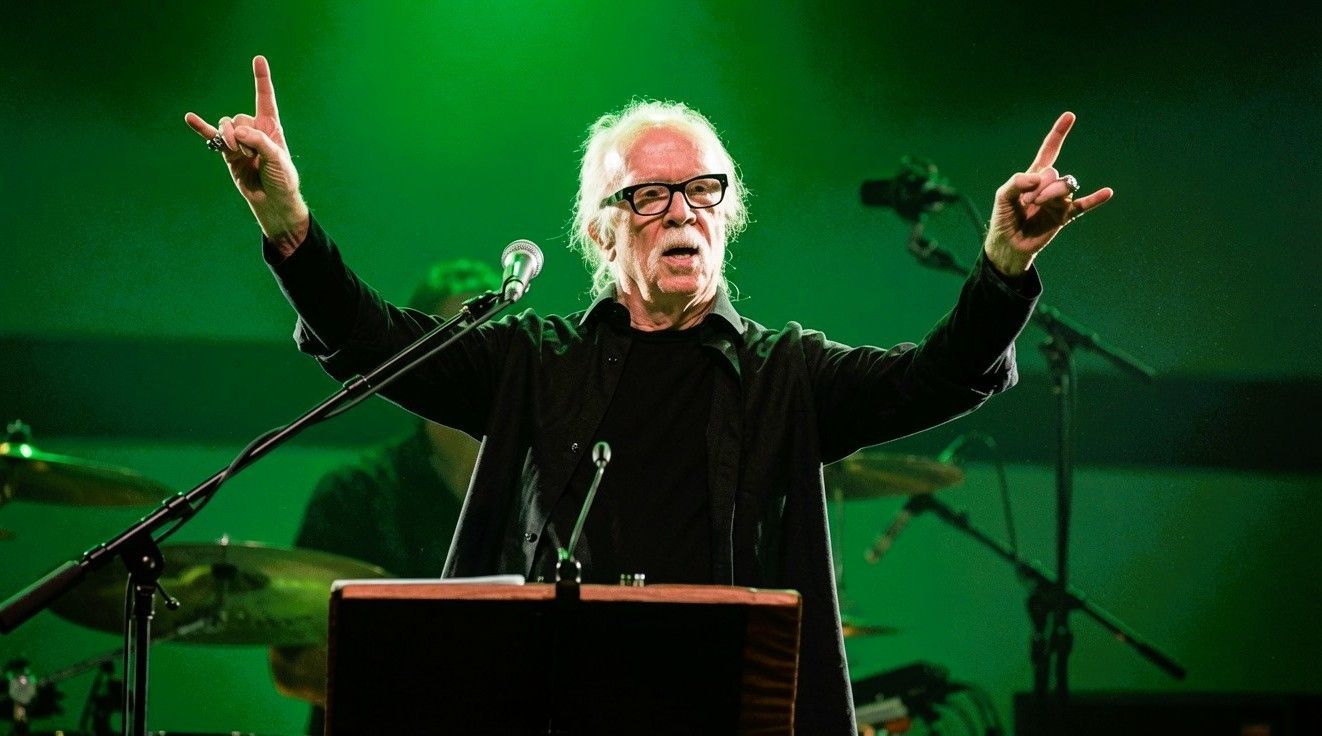
The first taste of Cathedral arrives via "Lord of the Underground," released alongside a visualizer featuring animated artwork from the graphic novel.
Importantly, it doesn't abandon Carpenter's DNA; the signature synth architecture and relentless sense of movement remain firmly intact.
What changes is the amount of physical force pushing against it.
Davies' guitar occupies significantly more space than many listeners might expect. Rather than merely decorating the synth framework, it drives sections of the track forward. This is genuine metal, and not a mere borrowing of heavy sounds. The result feels less like a horror soundtrack flirting with rock instrumentation and more like an actual band performance unfolding inside Carpenter's cinematic world.
It's still recognisably Carpenter, and while nobody is mistaking this for a death metal record, there is definitely a newfound density to his music and an ominous sense of pressure, like the walls are moving inward. And for an artist whose greatest strength has always been his ability to create atmosphere, that's an exciting development.
A Tracklist Built Like a Descent
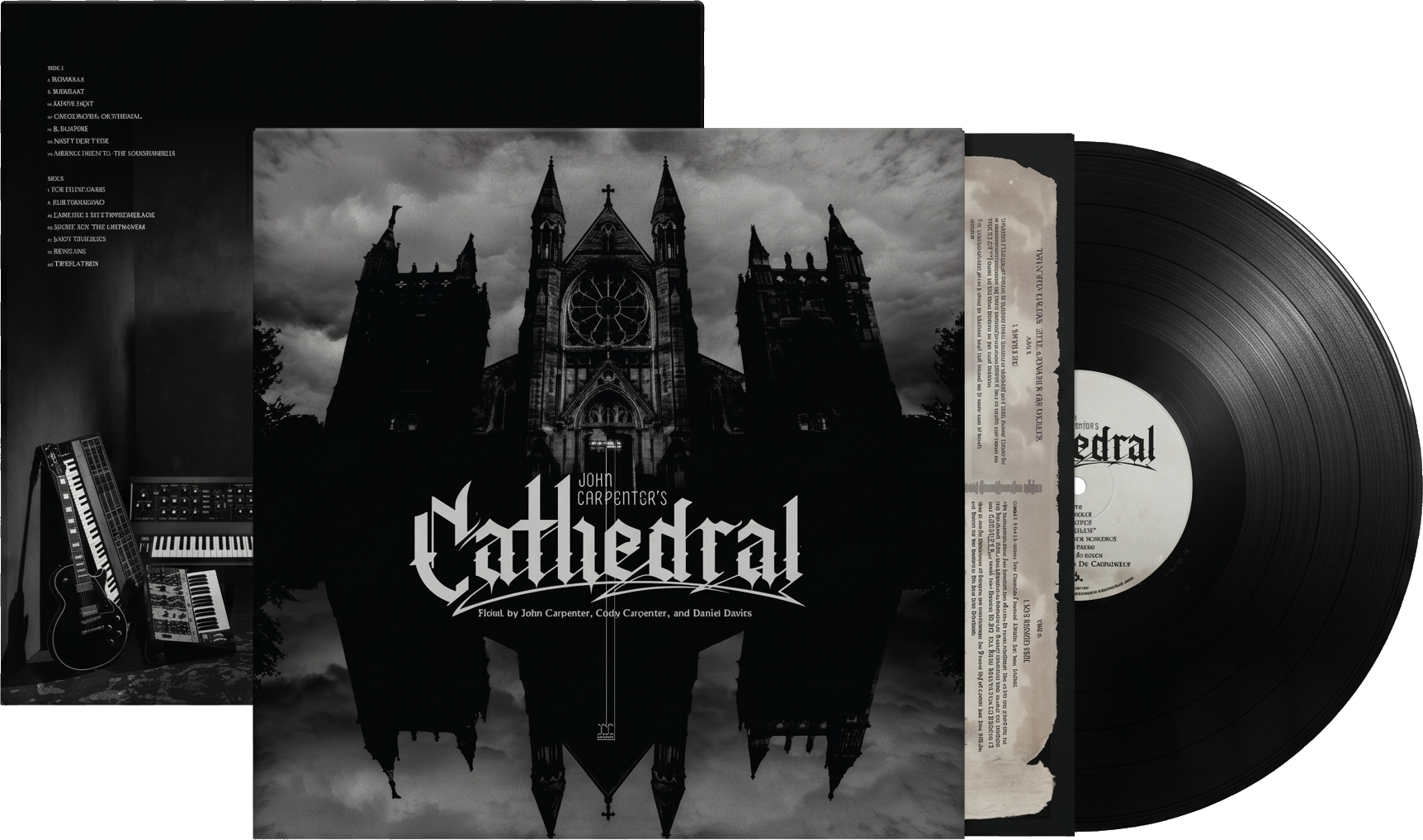
Even the track titles tell a story:
Primeval.
Abandoned Cathedral.
Desolation in the Underworld.
The Mapmaker.
The Ferryman.
Lord of the Underground.
Death of the Mapmaker.
Resolution.
The sequence reads less like a conventional album and more like chapter headings from a descent narrative. A spiralling journey downward of confrontation, loss, and eventual reckoning.
That structure becomes more meaningful when viewed alongside the graphic novel concept. Instead of merely using music to support a story, Carpenter is attempting something closer to synchronized world-building.
The novel supplies faces, locations and narrative detail, while the album supplies momentum, dread and emotional weight.
Neither medium can replicate what the other does, but together they form a compelling trinity of sound, imagery and storytelling.
Why Cathedral Feels Different
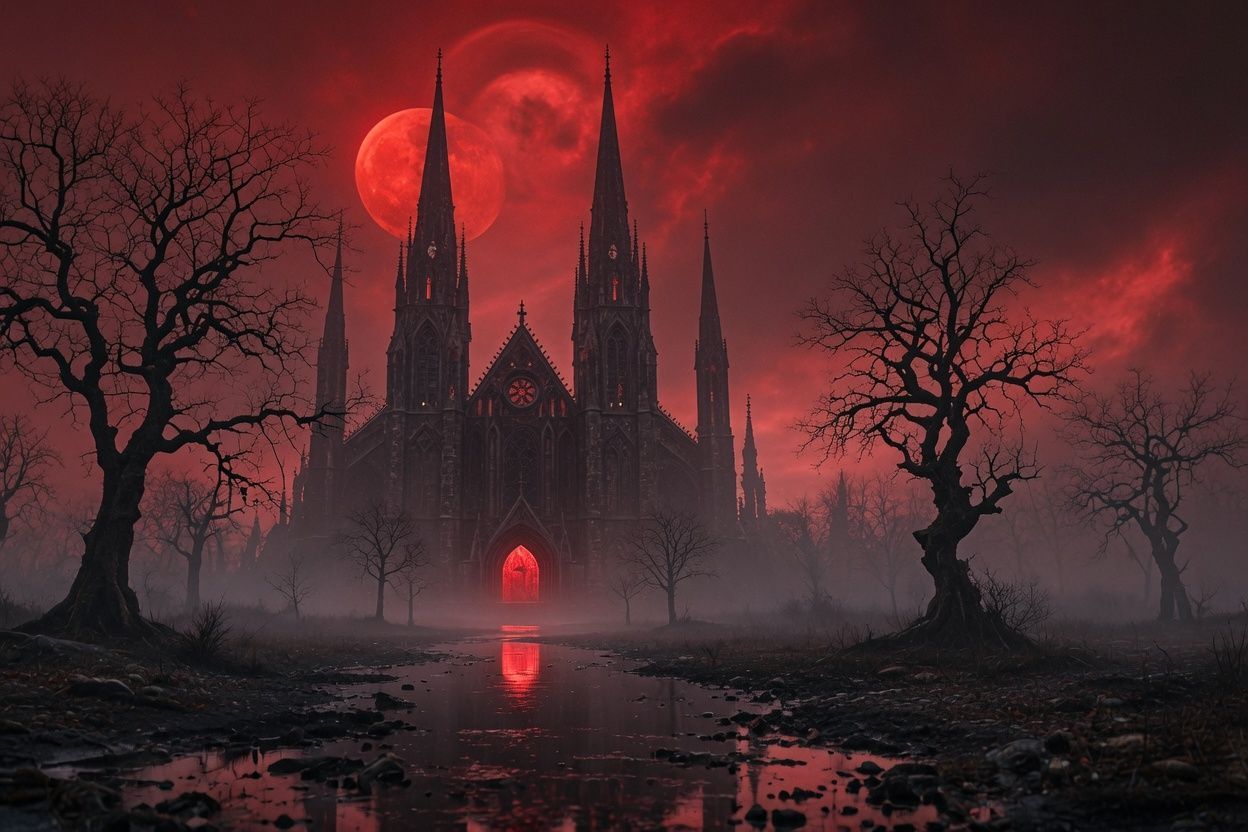
The obvious comparison point is Lost Themes. The less obvious comparison point is Carpenter's filmography itself. For decades, his music was designed to serve the narrative, building atmosphere, amplifying dread and giving his stories their pulse. Most listeners arrived at Carpenter's music through the gateway drug of his films, discovering the composer through the filmmaker.
Cathedral flips that dynamic on its head. Here, the music doesn't merely accompany the story; it actively participates in it, becoming part of the machinery that drives the narrative forward. Rather than serving as the backdrop to a narrative, the album becomes part of the stage upon which that narrative unfolds.
Cathedral feels different from his previous work because it isn't looking backward, it's creating something new: His first graphic novel. His first explicitly metal-leaning record. A fresh story, fresh mythology and a new set of monsters.
At an age when most artists are polishing anniversaries and repackaging old triumphs, Carpenter is still building worlds from scratch.
And that's arguably the most remarkable thing here. Not that Carpenter is making a heavy record, releasing a graphic novel, or even combining the two, but that at 78 years old he's still chasing ideas wherever they lead, transforming a vivid nightmare into a story, a story into a soundtrack, and a soundtrack into what he describes as his first true heavy metal album.
So perhaps it's fitting that somewhere beneath an abandoned cathedral in Los Angeles, John Carpenter has found a new nightmare to explore, and another reason to drag us willingly into the abyss.
Want a glimpse of what lies beneath the cathedral doors? "Lord of the Underground" is streaming now: 👇
Information in this article was sourced from official announcements by Sacred Bones Records and Storm King Comics, alongside reporting from BrooklynVegan, Bloody Disgusting, Treble, The PRP and other music and horror industry outlets.